
If you ever had a claim against an insurance company — yours or another person’s — it’s possible that the company discussed subrogation with you. While they may never have used that exact term, if they questioned how you were injured and who was responsible, that was actually what they were determining.
Subrogation is a legal concept where your insurance company, after paying your claim, acquires the right to seek reimbursement from the at-fault party or their insurance. This process typically occurs behind the scenes after your car accident or personal injury claim is settled. For example, if your health insurance covers your medical bills after an accident and you later receive a settlement from the at-fault driver’s insurance, your health insurer may have a right to be reimbursed from that settlement. Understanding subrogation is crucial because it can significantly impact how much compensation you ultimately retain. The rules governing subrogation vary by state and policy type, with some Tennessee insurance contracts allowing full reimbursement while others may be limited by state laws. Working with a knowledgeable personal injury attorney can help ensure subrogation claims against your settlement are properly evaluated and potentially reduced.
What is subrogation?
The concept of subrogation emerges when someone gets hurt and a person or entity (like the injured person’s insurance company) pays for treatment or damages that another at-fault party caused. The not-at-fault party that covers the medical or treatment bills is the collateral source, and as such, takes that person’s place in order to assert a claim for subrogation. Yet this claim cannot be greater than that of the intended recipient of those benefits.
This can be a confusing concept, so think of it like this: It is not fair that a person collects a settlement or judgment for the portion of payments made on one’s behalf for one’s medical care. That’s considered to be “double recovery.” Injured parties have a right to recover the actual damages they incurred, but can’t profit from the loss.
If your insurance company paid $10,000 to the hospital and doctor that treated your injuries, that sum is owed not to you, but to those health care providers. Subrogation claims extend to programs that offer government benefits, too, like Medicaid, Medicare, Veterans’ benefits and indigent patient programs.
Does Subrogation affect my settlement?
Because subrogation rights can affect the amount of the settlement or judgment you receive, it’s important that you have a clear understanding of how it works. Ask your personal injury attorney to clarify any unclear points to you before agreeing to any terms.
At OEB Law, PLLC, we are here to help you understand subrogation and get you the best discount for the subrogation. If you are injured, call us today (865) 546-1111, OEB Law, PLLC we can turn your wreck into a check.
Why Trust Us
At OEB Law, our reputation speaks for itself:
- Proven Results: We’ve recovered significant compensation for our clients through both settlements and courtroom verdicts
- Client Satisfaction: Our numerous 5-Star Google Reviews showcase our commitment to responsive, caring, and effective legal representation
- No Fee Unless We Win: You don’t pay attorney fees unless we successfully secure compensation in your case
- Local Knowledge: As East Tennessee natives, we understand our community and care deeply about the people we serve
- Personalized Approach: We personalize each case to meet our clients’ specific needs, ensuring you’re never just another file number
Community Commitment
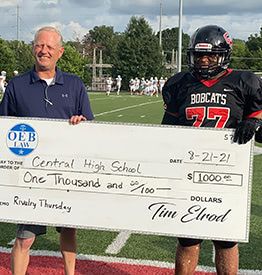
Our dedication extends beyond the courtroom. We proudly support:
- Boys & Girls Clubs of Tennessee Valley programs and toy drives
- Local high school football programs through Rivalry Thursday sponsorships
- The Knoxville Ice Bears and community fundraising initiatives
- Numerous youth, student, and community organizations throughout East Tennessee
As Tim Elrod says, “We don’t just take—we give back because the people you’re giving back to are the people who are supporting your firm.“
Have a personal injury or criminal defense case? We’re available 24/7 to help. Get In Touch
- Call or Text: (865) 546-1111
- Visit: https://oeblawtn.com/
- Available: Standing by 24/7
Why OEB Law? Because They’re Good For The Community.
TEXT or CALL (865) 546-1111 for HELP NOW. Standing By 24/7.
Yes, you can often negotiate the amount your insurance company takes through subrogation after receiving your settlement, particularly with the help of an experienced attorney. While insurance companies initially request full reimbursement for paid benefits, several factors can justify reducing this amount. The “made whole” doctrine in Tennessee provides that an insurer cannot recover subrogation until you’ve been fully compensated for all losses, which may allow for negotiation if your settlement doesn’t cover all your damages. Additionally, attorneys can often negotiate reductions based on comparative fault, proportional recovery (if you settled for less than full value), and by requesting deductions for the attorney’s fees you paid to obtain the settlement that benefits the insurer. Some health insurers will routinely reduce their subrogation claims by 1/3 to account for attorney fees, and Medicare and TennCare have specific rules governing their subrogation rights. A Knoxville personal injury attorney familiar with Tennessee subrogation laws can often significantly reduce these claims, potentially increasing your net recovery by thousands of dollars.

