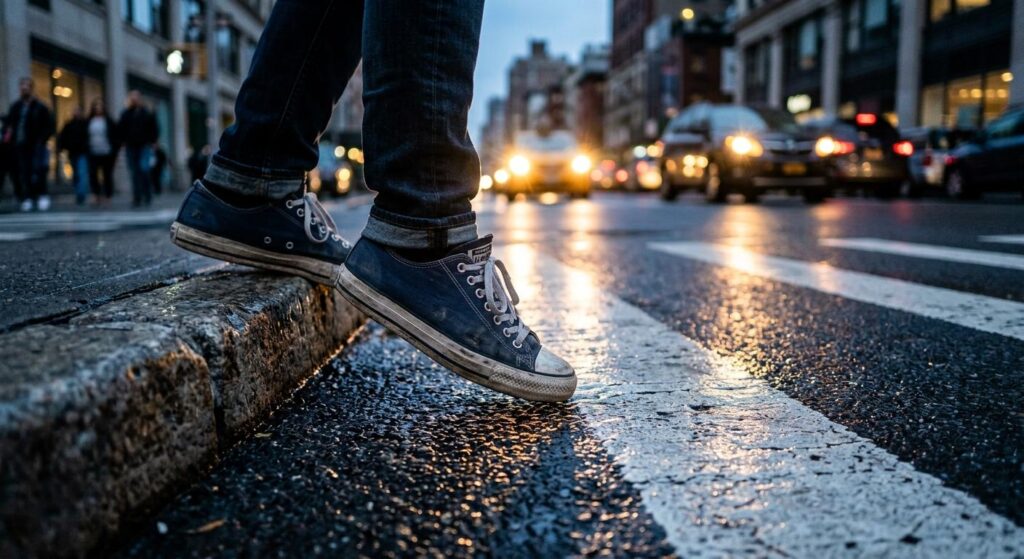
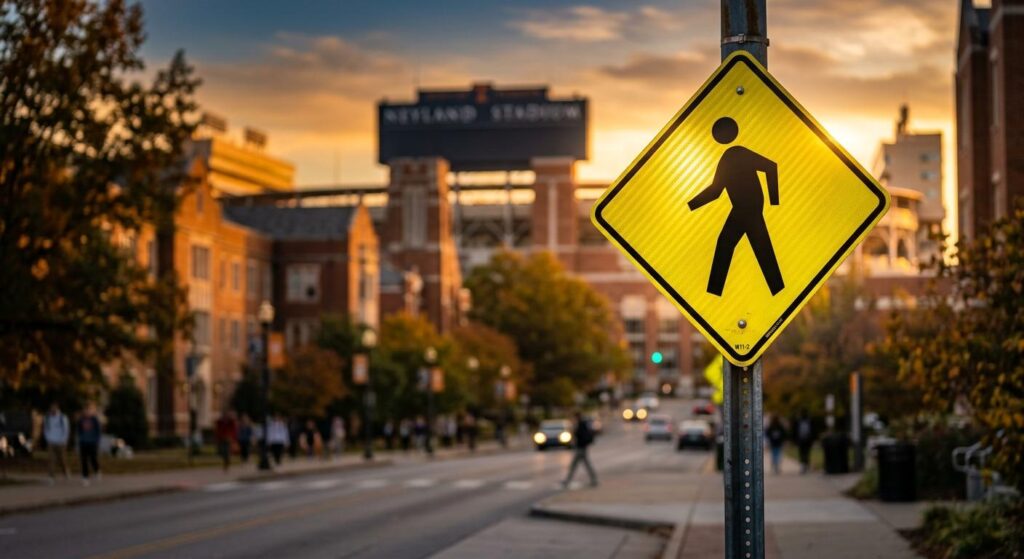
Cumberland Avenue and Volunteer Boulevard see thousands of pedestrian crossings every single day. Students rush between classes, grab food on The Strip, and navigate game-day crowds near Neyland Stadium. They must share the road with commuter drivers who may not know the campus crosswalk patterns. Pedestrian accidents near UT campus crosswalks in Knoxville continue to increase despite safety improvements, and the consequences for injured students can be serious and long-lasting. OEB Law has represented injured pedestrians throughout Knox County for over two decades, and our team understands exactly why these collisions keep happening. In this blog post, Knoxville attorney Tim Elrod discusses beyond the strip and why pedestrian accidents increase near UT campus crosswalks in Knoxville.
Key Takeaways
- Tennessee law (TCA § 55-8-134) requires drivers to yield to pedestrians in marked crosswalks, yet failure to yield remains a leading cause of campus-area crashes near Cumberland Avenue and Volunteer Boulevard
- Cumberland Avenue and Volunteer Boulevard are among Knoxville’s highest-risk pedestrian corridors due to heavy student foot traffic, commuter driver behavior, and limited nighttime visibility
- – Tennessee’s modified comparative fault rule means that pedestrians found 50% or more at fault cannot recover any damages, making legal documentation critical immediately after any campus-area crash
- Injured pedestrians near UT campus should contact an attorney before giving any recorded statement to insurance companies
To Discuss Your Case, Call or Text Our Team Standing By 24/7: (865) 546-1111
About OEB Law, Your Knoxville Legal Team

This guide is provided by the experienced attorneys at OEB Law, led by Managing Attorney Timothy G. Elrod. Founded in Knoxville in 2004, our firm has over 50 years of combined experience navigating East Tennessee’s legal system.
We have successfully represented thousands of personal injury clients, developing deep expertise in Tennessee’s complex wrongful death and accident laws. As East Tennessee natives, we have a direct understanding of the local court systems, law enforcement agencies, and community needs. Our commitment is to provide trusted, authoritative information to our neighbors in Knoxville and the surrounding Tennessee communities. However, this information does not constitute legal advice. If you or a loved one has been injured in an accident or needs legal help, call us today for a free, no obligation, initial consultation.
The Cumberland Avenue and Volunteer Boulevard Danger Zones
Pedestrian accidents increase near UT Knoxville campus crosswalks for several well-documented reasons. High student foot traffic during class transitions, driver distraction, and failure to yield all contribute to the problem. The Strip is not just a social destination for UT students. It is a daily pedestrian gauntlet running from the heart of Knoxville straight into campus, and the hazards are real and predictable. Cumberland Avenue combines high bar traffic, limited crosswalk lighting, mid-block pedestrian crossings, and left-turning vehicles. Drivers are simply not watching for students on foot in these congested areas.
Volunteer Boulevard presents a different but equally serious risk profile. Commuter drivers who are not familiar with campus crosswalk patterns share this multi-lane road with mass pedestrian movement during class transitions. The morning rush and midday class-change windows create predictable high-risk periods that commuter traffic does not account for.
Additional danger zones in the campus perimeter include:
- White Avenue (16th-20th Street corridor): Dense student housing with frequent mid-block crossings and minimal signage
- Clinch Avenue at Stadium Drive: Proximity to Neyland Stadium creates event-traffic surges with unfamiliar drivers
- Andy Holt Avenue crossings west of Volunteer Blvd: A mix of faculty and student crossings with unmarked sections
Game days bring an entirely separate layer of risk. Over 100,000 fans flood the Neyland Stadium perimeter on UT football Saturdays. This compresses already-dangerous crosswalk zones with drivers who have no familiarity with the local pedestrian flow patterns.
“The Strip is not just a social destination. It is a daily pedestrian gauntlet for thousands of UT students. When drivers coming off Cumberland Avenue fail to yield at intersections they are not familiar with, students pay the price.” – Knoxville attorney Tim Elrod
UT Knoxville Campus Pedestrian Danger Zone Map
| Intersection/Location | Risk Factors | Crash Pattern | Safety Infrastructure |
|---|---|---|---|
| Cumberland Ave (“The Strip”) at 17th St | High bar/nightlife traffic, limited lighting, pedestrian mid-block crossings | Nighttime, left-turning vehicles | Painted crosswalk only |
| Volunteer Boulevard at Phillip Fulmer Way | High-speed commuter traffic, multiple lanes, game-day surges | Daytime and game-day peak hours | Crosswalk signals present but frequently ignored |
| White Avenue at 16th-20th Streets | Dense student housing, frequent mid-block crossings | Morning/afternoon class change windows | Minimal signage |
| Clinch Avenue at Stadium Drive | Proximity to Neyland Stadium, event traffic | Game-day pedestrian surges | Variable enforcement |
| Andy Holt Avenue crossings west of Volunteer Blvd | Faculty/student mix, vehicle speed | Midday class transitions | Unmarked sections present |
Tennessee Crosswalk Laws: Do UT Pedestrians Have the Right of Way?
Tennessee law is clear on driver responsibility at crosswalks. Under Tenn. Code Ann. § 55-8-134, drivers must yield to pedestrians who are in a marked crosswalk or who have entered the roadway closely enough to create a danger. This applies directly to the crosswalks on Cumberland Avenue, Volunteer Boulevard, and the surrounding campus corridor streets.
However, the law also distinguishes between marked and unmarked crosswalks. That distinction matters significantly when a legal claim is involved.
Marked vs. Unmarked Crosswalks: What UT Students Must Know
Many campus-area crossings lack formal painted markings. This is particularly true on side streets near student housing along White Avenue and the Andy Holt Avenue corridor. Under state law, drivers still owe a duty of care at all intersections, even without visible markings. However, the absence of painted crosswalk lines can complicate liability claims. Therefore, documenting the scene immediately after any incident is essential. You need photographs, witness contact information, and requests for nearby dashcam or surveillance footage.
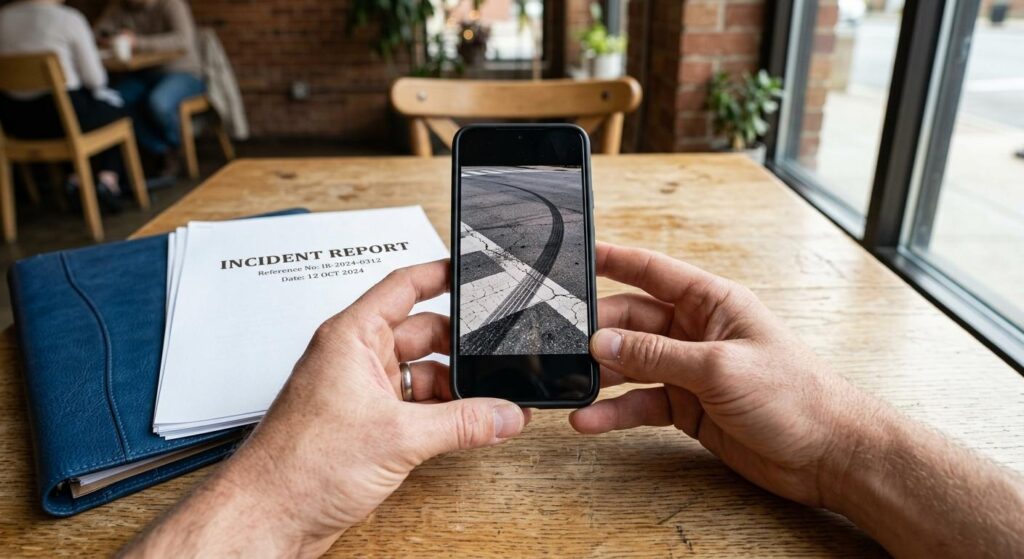
Additionally, Tennessee’s modified comparative fault rule creates an important legal threshold. For example, a student who crosses mid-block or against a signal may face a partial fault argument from the other driver’s insurance company. This makes early consultation with a Knoxville personal injury attorney critical before any recorded statement is given.
One more jurisdictional point matters here. The University of Tennessee Police Department (UTPD) handles incidents on campus property. The Knoxville Police Department (KPD) handles off-campus public streets like Cumberland Avenue. Students should request the incident report from the correct agency, as documentation from the wrong department can create gaps in the evidentiary record.
Our personal injury team can help you identify which agency filed the report and what evidence needs to be preserved in your specific case.
Why Pedestrian Accidents Increase Near UT Campus: The Key Causes
The concentration of pedestrian accidents near UT campus crosswalks is not a matter of bad luck. It results from a predictable collision of behavioral failures and infrastructure gaps that put students at risk every single day.
Several specific causes drive the elevated accident rate in this corridor:
- Driver distraction and phone use: Commuter drivers cutting through campus corridors frequently fail to reduce speed or watch for crosswalk signals
- Failure to yield at intersections: Recent data links failure to yield as a primary cause of campus-area pedestrian crashes statewide
- Poor nighttime lighting near The Strip: Cumberland Avenue’s bar environment means significant pedestrian exposure after dark when crosswalk visibility drops sharply
- Left-turning vehicle collisions: Left-turning vehicles at multi-lane campus intersections create a systematic physical hazard for crossing pedestrians
- High student foot traffic during class transitions: Mass pedestrian movement between campus buildings creates predictable peak-risk windows that commuter drivers do not anticipate
Furthermore, local data confirms that pedestrian risk is concentrated specifically near campus perimeter roads. It is not distributed randomly across the city. This makes the campus corridor a particularly urgent safety concern for students and local residents.
What to Do After Being Hit at a UT Campus Crosswalk
Legal Steps to Take After a Pedestrian Accident Near UT Campus
The moments and days immediately after a pedestrian accident near UT campus are critical for protecting your legal rights. Taking the right steps early can determine whether you recover full compensation or end up with far less than your injuries deserve. You can use our settlement calculator to help estimate the potential value of your claim based on your specific damages.
First, seek medical attention even if you feel fine. Internal injuries from vehicle impacts frequently do not present symptoms immediately. A medical record created at or near the time of the accident is also important evidence of injury causation.
Second, call 911 and determine jurisdiction. Obtaining the correct incident report matters for both insurance claims and legal proceedings. Third, document everything you can at the scene. Photographs of the crosswalk, signage, skid marks, vehicle position, and lighting conditions are all valuable.
Tennessee’s statute of limitations for personal injury claims gives injured parties one year from the date of the injury to file a lawsuit. That deadline is strict. Missing it almost always means losing the right to any compensation.
Government Liability and Student Health Insurance
There is also a legal complexity specific to UT campus cases worth understanding. Tennessee’s Governmental Tort Liability Act (Tenn. Code Ann. § 29-20-101) governs whether the City of Knoxville or the University of Tennessee bears any liability for inadequate crosswalk infrastructure. Pursuing a government entity as a defendant involves different procedural requirements than a standard personal injury claim. Our car accident attorney team is highly familiar with these specific requirements.
Students should also be aware that UT student health insurance subrogation rights can interact with personal injury settlements. Using health coverage to pay medical bills does not end the legal case. An attorney can help ensure that subrogation claims are properly managed so that you keep as much of your recovery as possible.
“One of the most common mistakes we see after campus pedestrian accidents is that injured students give recorded statements to insurance adjusters before they understand their rights. That one mistake can significantly reduce what they’re able to recover.” – Tim Elrod
Timothy G. Elrod and our legal team offer free consultations for injured pedestrians throughout Knox County and East Tennessee.
Why Choose OEB Law for UT Campus Pedestrian Accident Cases
OEB Law has represented injured pedestrians throughout Knox County for over two decades. This includes victims of campus-area accidents on Cumberland Avenue, Volunteer Boulevard, and the surrounding streets. Our team understands the specific legal complexities that arise in UT campus crosswalk cases. That includes the UTPD versus KPD jurisdiction question, the GTLA government liability framework, and how Tennessee’s comparative fault rule applies when drivers argue that a pedestrian crossed improperly. As top attorneys in Knoxville, the OEB Law team handles these cases from the first call through final resolution with effective representation.
Who is OEB Law and Why Are They Good for the Community?
Led by Managing Attorney Timothy G. Elrod and Our Experienced Legal Team
Founded in 2004 in Knoxville, Tennessee, OEB Law has grown over nearly two decades to serve clients across Knox County and surrounding East Tennessee counties. Tim Elrod established the firm with a simple but powerful mission: we care and we help people. Today, our team brings over 50 years of combined experience representing clients throughout Tennessee in personal injury and criminal defense cases.
Our Legal Expertise
Our attorneys have built their reputation through:
- Successfully representing thousands of personal injury and criminal defense clients
- Developing specialized knowledge across all types of accident and injury cases
- Mastering the complexities of Tennessee’s legal system through decades of practice
Why Trust Us
At OEB Law, our reputation speaks for itself:
- Proven Results: We’ve recovered significant compensation for our clients through both settlements and courtroom verdicts
- Client Satisfaction: Our numerous 5 Star Google Reviews showcase our commitment to responsive, caring, and effective legal representation
- No Fee Unless We Win: You don’t pay attorney fees unless we successfully secure compensation in your case
- Local Knowledge: As East Tennessee natives, we understand our community and care deeply about the people we serve
- Personalized Approach: We personalize each case to meet our clients’ specific needs, ensuring you’re never just another file number
Community Commitment
Our dedication extends beyond the courtroom. We proudly support:
- Local high school football programs through Rivalry Thursday sponsorships
- The Knoxville Ice Bears and community fundraising initiatives
- Numerous youth, student, and community organizations throughout East Tennessee
“We don’t just take—we give back because the people you’re giving back to are the people who are supporting your firm.” – Tim Elrod
Have a personal injury or criminal defense case? We’re available 24/7 to help.
Get In Touch
- Call or Text: (865) 546-1111
- Visit: https://oeblawtn.com/
- Available: Standing by 24/7
Why OEB Law? Because They’re Good For The Community.
TEXT or CALL (865) 546-1111 for HELP NOW. Standing By 24/7.
Follow Us on Social Media
Stay connected with OEB Law for the latest Knoxville and East Tennessee legal insights, community updates, and important legal information. Follow us on X, YouTube, Facebook, Instagram, LinkedIn, and TikTok for exclusive content, client stories, and expert legal guidance from our team.
Seek medical attention right away, even if you feel fine, since some injuries do not present symptoms immediately. Call 911 and make sure an incident report is filed by either KPD or UTPD depending on the location. Document the scene with photographs, collect witness contact information, and avoid giving any recorded statement to insurance companies before speaking with an attorney.
Tennessee’s statute of limitations for personal injury claims is one year from the date of the injury. This deadline is strictly enforced, and missing it means losing your right to seek compensation. Because physical evidence disappears quickly and witness memories fade, contacting a personal injury attorney as soon as possible gives your case the strongest possible foundation.
Yes. Under Tennessee law, drivers owe a duty of care to pedestrians at all intersections, including those without painted crosswalk markings. However, unmarked crosswalk cases are more legally complex, and the driver’s insurer may argue partial pedestrian fault. Documenting the scene thoroughly and consulting an attorney quickly is especially important in these specific situations.
Do Pedestrians Have the Right of Way at UT Campus Crosswalks in Tennessee?
Under Tennessee Code Annotated § 55-8-134, drivers are legally required to yield to pedestrians who are in a marked crosswalk or who have entered an intersection closely enough to create a hazard. This law applies directly to campus-area crosswalks on Cumberland Avenue and Volunteer Boulevard. However, Tennessee’s modified comparative fault rule means that if a pedestrian is found 50% or more responsible for the accident, they cannot recover any compensation at all. If you were hit near UT campus, an attorney can evaluate the specific facts of your case and determine exactly how Tennessee’s right-of-way laws apply to your situation.

