After a car accident in Tennessee, one of the most important documents created is the police report. Many accident victims wonder how much weight this report carries in determining who was at fault and whether it will impact their ability to recover compensation for their injuries and damages. Understanding the role of police reports in fault determination can help you better navigate the claims process and protect your rights. In this blog post, Knoxville attorney Timothy G. Elrod discusses how police reports affect car accident fault determination and what this means for your case.
Police reports play a significant role in car accident fault determination in Tennessee, serving as influential initial guidance for insurance companies and courts, but they are not legally binding or the final authority on liability. While the report documents the officer’s observations and initial assessment of fault, insurance companies and courts conduct their own investigations using the police report as just one piece of evidence among many.
Key Takeaways
- Police reports provide important initial guidance but are not legally binding determinations of fault
- Officers document witness statements, physical evidence, and their observations in the official report
- Insurance companies use police reports as one factor among many when determining liability
- You can challenge or supplement a police report with additional evidence if you disagree with its findings
What Information Do Police Reports Contain?
Tennessee police reports contain comprehensive information gathered at the accident scene that forms the foundation for initial fault assessments. Officers document the basic facts of the accident, including the date, time, location, weather conditions, and road conditions at the time of the incident. They record detailed information about all vehicles involved, including make, model, year, license plate numbers, and insurance information for each driver.
The report includes a narrative section where the investigating officer describes what happened based on their observations and interviews with those involved. This narrative often contains the officer’s assessment of how the accident occurred and may indicate which driver’s actions contributed to the collision. Officers also create accident diagrams showing vehicle positions before, during, and after impact, along with relevant road features, traffic control devices, and the direction each vehicle was traveling.
| Report Component | What It Includes | Impact on Fault Determination | Limitations |
|---|---|---|---|
| Officer’s Narrative | Detailed description of how the accident occurred based on officer’s investigation | High – Often heavily relied upon by insurance companies | Based on limited scene time |
| Traffic Citations | Any violations issued to drivers at the scene | High – Strong indication of fault for violating driver | May not capture all violations |
| Accident Diagram | Visual representation of vehicle positions and impact points | Medium – Helps visualize sequence of events | May not be to scale |
| Witness Statements | Recorded statements from people who observed the accident | High – Third-party perspectives are valuable | May miss some witnesses |
| Physical Evidence | Documentation of skid marks, debris, vehicle damage | Medium – Provides objective evidence | May deteriorate quickly |
| Driver Statements | What each driver told the officer about the accident | Medium – Important but potentially biased | Stress may affect accuracy |
| Environmental Factors | Weather, road conditions, lighting, traffic signals | Low – Usually factual information | Conditions may change |
Physical evidence documentation is another crucial component of police reports. Officers note skid marks, debris patterns, vehicle damage, road surface conditions, and any other physical evidence that might help explain how the accident occurred. They also document whether any traffic citations were issued at the scene and record statements from drivers, passengers, and witnesses who observed the accident.
The report may include the officer’s professional opinion about fault based on their training and experience, but this assessment represents their initial evaluation based on limited information available at the scene. Officers must often make quick assessments under challenging circumstances, and they may not have access to all relevant evidence or witness testimony when completing their reports.
The Influential but Not Binding Nature of Police Reports
While police reports carry significant weight in fault determination, it’s crucial to understand that they are not legally binding documents that definitively establish liability. Insurance companies, attorneys, and courts treat police reports as important evidence, but they are not required to accept the officer’s conclusions about fault. The report serves as a starting point for further investigation rather than a final judgment on liability.
Insurance adjusters typically review police reports early in their investigation process because they provide a professional law enforcement perspective on what happened. The officer’s training in accident investigation and their neutral position as a third party give their observations considerable credibility. However, insurance companies understand that officers may not have had access to all relevant information at the scene, and they conduct their own investigations to verify and supplement the police report findings.
Courts also consider police reports as evidence, but judges and juries are not bound by the officer’s fault assessment. The report can be admitted as evidence of what the officer observed and documented, but the ultimate determination of fault rests with the trier of fact after considering all available evidence. This distinction is important because it means that even if a police report seems to indicate you were at fault, you may still have options for challenging that assessment.
“Police reports are incredibly important in car accident cases because they provide a professional, neutral assessment of what happened. However, clients need to understand that these reports represent the officer’s observations at the scene, often made under difficult circumstances with limited time and information. They’re not the final word on fault, and there are ways to supplement or challenge the findings if additional evidence becomes available.” – Knoxville personal injury attorney Timothy G. Elrod
How Insurance Companies Use Police Reports
Insurance companies rely heavily on police reports as a starting point for their fault investigations, but they don’t automatically accept the officer’s conclusions without conducting their own analysis. Claims adjusters review the entire report, paying particular attention to the officer’s narrative, any citations issued, and witness statements documented in the report. They use this information to begin building their understanding of how the accident occurred and who may be responsible.
The presence or absence of traffic citations in a police report can significantly influence insurance company decisions. When an officer issues a citation for a specific traffic violation that contributed to the accident, insurance companies often view this as strong evidence of fault. However, the lack of citations doesn’t necessarily mean no fault exists, as officers may choose not to issue citations for various reasons, including unclear circumstances or department policies.
Insurance companies also examine the consistency between different parts of the police report and look for any gaps or inconsistencies that might require additional investigation. They may contact witnesses listed in the report to gather more detailed statements, and they often conduct their own examination of vehicle damage to see if it aligns with the accident description in the police report.
When multiple insurance companies are involved, they may interpret the same police report differently, leading to disputes about fault allocation. These disagreements demonstrate that police reports, while influential, are subject to interpretation and don’t provide definitive answers in all cases. This is where having experienced legal representation can help ensure that the police report is properly analyzed and that any favorable evidence is highlighted while any potential weaknesses are addressed.
Common Issues and Limitations with Police Reports
Police reports, while valuable, have several limitations that can affect their accuracy and completeness. Officers often arrive at accident scenes after the fact and must reconstruct what happened based on available evidence and witness statements. They may not have access to all witnesses, particularly if some people left the scene before police arrived, and witness statements taken immediately after an accident may be influenced by shock, confusion, or trauma.
Time constraints can also impact the thoroughness of police investigations. Officers may have limited time to spend at each accident scene, especially if they need to respond to other emergency calls. This can result in less detailed investigations or reports that don’t capture all relevant evidence. Additionally, officers may not be trained in advanced accident reconstruction techniques, which could be necessary for complex cases involving multiple vehicles or unusual circumstances.
Weather conditions, lighting, and traffic can all affect an officer’s ability to thoroughly investigate an accident scene. Poor visibility or dangerous conditions may prevent officers from examining all physical evidence or may require them to clear the scene quickly for safety reasons. These circumstances can result in police reports that don’t tell the complete story of what happened.
Human error is another factor to consider. Officers are human and can make mistakes in their observations, documentation, or interpretation of events. They may misunderstand what witnesses are telling them, incorrectly document vehicle positions, or draw conclusions that don’t fully account for all relevant factors. These limitations don’t invalidate police reports, but they highlight why additional investigation is often necessary.
“While police reports are important documents, they have limitations that both insurance companies and attorneys understand. Officers do their best under often difficult circumstances, but they’re working with limited time and information. That’s why we always conduct our own investigation, gathering additional evidence and witness statements that might not have been available to the officer at the scene.” – Timothy G. Elrod
Challenging or Supplementing Police Report Findings
If you disagree with the findings in a police report, you have several options for challenging or supplementing the information it contains. The first step is often to obtain your own copy of the report and review it carefully for any factual errors or omissions. Minor errors, such as incorrect names, addresses, or license plate numbers, can sometimes be corrected through the police department, though more significant changes to the officer’s conclusions about fault are typically not possible.
Gathering additional evidence that wasn’t available to the investigating officer can be crucial for building a stronger case for your version of events. This might include surveillance video from nearby businesses, additional witness statements from people who weren’t interviewed by police, or expert analysis of vehicle damage patterns that provides different insights into how the accident occurred.
Professional accident reconstruction experts can provide scientific analysis of the evidence that goes beyond what was available to the investigating officer. These experts can analyze factors such as vehicle speeds, impact angles, and stopping distances to provide a more detailed understanding of how the accident occurred. Their findings can sometimes contradict or clarify the initial conclusions in the police report.
Working with experienced attorneys who understand how to investigate truck accidents and other complex cases can make a significant difference in challenging unfavorable police report findings. Legal professionals have the resources and knowledge to conduct thorough investigations, hire expert witnesses, and present evidence in a way that supports your version of events.
The Role of Police Reports in Settlement Negotiations
Police reports play a crucial role in settlement negotiations between insurance companies and accident victims. Insurance adjusters often use police reports as a starting point for determining their initial settlement offers, and reports that favor the other driver can result in lower offers or even claim denials. However, experienced negotiators understand that police reports are just one piece of evidence and can present additional information that supports a more favorable settlement.
When police reports contain favorable findings, they can strengthen your negotiating position significantly. Insurance companies are more likely to offer fair settlements when official police documentation supports your version of events and indicates that the other driver was primarily at fault. However, even favorable police reports don’t guarantee maximum settlements, as insurance companies may still try to minimize payouts through other arguments.
Unfavorable police reports create challenges in settlement negotiations but don’t necessarily prevent successful outcomes. Skilled negotiators can present additional evidence, highlight limitations in the police investigation, and demonstrate why the officer’s initial assessment may not tell the complete story. This approach requires thorough preparation and a deep understanding of how fault determination works in Tennessee.
The timing of settlement negotiations can also be affected by police reports. Cases with clear, favorable police reports may move more quickly toward resolution, while cases with disputed or unfavorable reports may require more extensive investigation and negotiation before reaching satisfactory outcomes in Knoxville and throughout East Tennessee.
Why Choose OEB Law for Your Car Accident Case
When police reports raise questions about fault or when you need to challenge unfavorable findings, having experienced legal representation can make the difference between a successful outcome and an unfair result. The top attorneys in Knoxville at OEB Law understand how to analyze police reports, conduct independent investigations, and present evidence that ensures you receive fair treatment throughout the claims process. Our team knows how to work with police report findings while building comprehensive cases that protect your rights and maximize your recovery.
Who is OEB Law and Why Are They Good for the Community?
Led by Managing Attorney Timothy G. Elrod and Our Experienced Legal Team
Founded in 2004 in Knoxville, Tennessee, OEB Law has grown over nearly two decades to now serve clients across multiple states. Tim Elrod established the firm with a simple but powerful mission: we care and we help people. Today, together with attorneys Michael Bernard, Billy Sivyer, Gena Lewis, and Logan Wade, our team brings over 50 years of combined experience representing clients throughout Tennessee, Kentucky, the Carolinas, and Georgia in personal injury and criminal defense cases.
Our Legal Expertise
Our attorneys have built their reputation through:
- Successfully representing thousands of personal injury and criminal defense clients
- Developing specialized knowledge across all types of accident and injury cases
- Mastering the complexities of Tennessee’s legal system through decades of practice
Why Trust Us
At OEB Law, our reputation speaks for itself:
- Proven Results: We’ve recovered significant compensation for our clients through both settlements and courtroom verdicts
- Client Satisfaction: Our numerous 5-Star Google Reviews showcase our commitment to responsive, caring, and effective legal representation
- No Fee Unless We Win: You don’t pay attorney fees unless we successfully secure compensation in your case
- Local Knowledge: As East Tennessee natives, we understand our community and care deeply about the people we serve
- Personalized Approach: We personalize each case to meet our clients’ specific needs, ensuring you’re never just another file number
Community Commitment
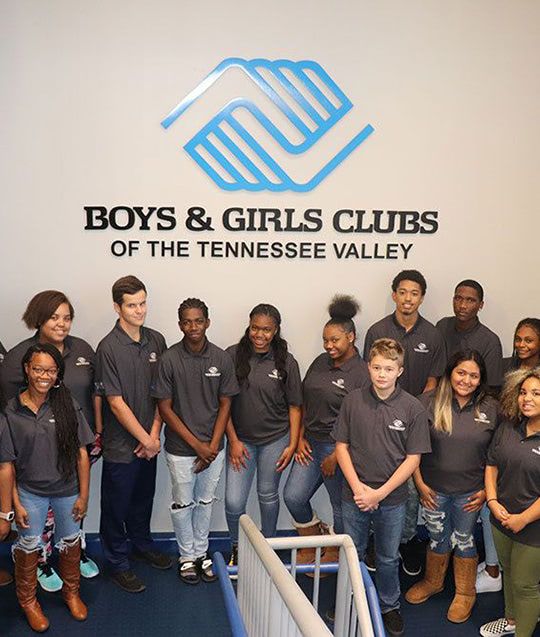
Our dedication extends beyond the courtroom. We proudly support:
- Boys & Girls Clubs of Tennessee Valley programs and toy drives
- Local high school football programs through Rivalry Thursday sponsorships
- The Knoxville Ice Bears and community fundraising initiatives
- Numerous youth, student, and community organizations throughout East Tennessee
As Tim Elrod says, “We don’t just take—we give back because the people you’re giving back to are the people who are supporting your firm.“
Have a personal injury or criminal defense case? We’re available 24/7 to help.
Get In Touch
- Call or Text: (865) 546-1111
- Visit: https://oeblawtn.com/
- Available: Standing by 24/7
Why OEB Law? Because They’re Good For The Community.
TEXT or CALL (865) 546-1111 for HELP NOW. Standing By 24/7.
FAQ
In Tennessee, police reports are generally considered public records, which means that parties with legitimate interests in the accident can typically obtain copies. This includes drivers, passengers, insurance companies, and attorneys representing those involved. However, some personal information may be redacted from reports released to non-involved parties. An experienced Knoxville attorney Tim Elrod can help you obtain police reports and other relevant documentation needed for your case, especially if you encounter any difficulties in accessing these important documents.

