Car accidents can cause devastating injuries, and traumatic brain injuries are among the most serious consequences victims may face. When someone suffers a head injury in a collision, getting an accurate and timely diagnosis is crucial for both medical treatment and legal protection. Understanding the diagnostic process can help accident victims recognize symptoms early and seek appropriate care. In this blog post, Knoxville attorney Tim Elrod discusses how traumatic brain injuries are diagnosed after a car accident and what steps victims should take to protect their health and legal rights.
A traumatic brain injury diagnosis after a car accident involves immediate neurological evaluation, advanced imaging tests like CT scans and MRIs, and comprehensive cognitive assessments. The diagnostic process typically begins in the emergency room with the Glasgow Coma Scale and continues with specialized testing to detect both obvious and subtle brain damage that may not appear immediately after the accident.
Key Takeaways
- Emergency medical evaluation should occur immediately after any car accident involving head trauma
- Brain imaging tests can detect structural damage, but some mild TBIs may not show up on initial scans
- Cognitive testing helps identify functional impairments that imaging might miss
- Documentation of symptoms and medical findings is crucial for both treatment and legal claims
To Discuss Your Case, Call or Text Our Team Standing By 24/7: (865) 546-1111
Immediate Medical Assessment Following Car Accidents
The diagnostic journey for traumatic brain injury typically begins at the accident scene or in the emergency room. Emergency medical personnel and physicians conduct an initial evaluation that includes gathering details about the accident, assessing consciousness levels, and performing preliminary neurological examinations. This immediate assessment helps medical professionals determine the severity of potential brain injury and guides subsequent diagnostic decisions.
Healthcare providers use the Glasgow Coma Scale (GCS) as a standardized tool to evaluate a patient’s level of consciousness. This scale measures eye opening, verbal responses, and motor responses, with scores ranging from 3 to 15. Lower scores indicate more severe brain injury, while higher scores suggest milder trauma. The GCS provides crucial baseline information that helps doctors track a patient’s condition over time.
“The first few hours after a car accident are critical for brain injury diagnosis. Even if someone feels fine initially, brain injuries can have delayed symptoms that become apparent hours or days later. That’s why we always recommend immediate medical evaluation after any significant car accident.” – Tim Elrod
Traumatic Brain Injury Diagnosis Process
• Consciousness level evaluation
• Accident details documentation
• Brain bleeding identification
• Swelling assessment
• Cognitive function testing
• Sensory response evaluation
• Diffuse axonal injury detection
• Subtle bleeding identification
• Executive function evaluation
• Processing speed assessment
• Recovery progress monitoring
• Treatment plan adjustments
Advanced Brain Imaging Technology
CT scans represent the first line of imaging for suspected brain injuries in emergency settings. These scans provide critical diagnostic information including:
- Skull fractures – Detect breaks in bone structure
- Brain bleeding – Identify hemorrhages requiring immediate intervention
- Brain swelling – Monitor dangerous pressure increases
- Structural damage – Assess tissue displacement or compression
CT technology provides rapid results that help emergency physicians make critical treatment decisions, especially when brain hemorrhages or significant swelling threaten patient safety.
MRI scans offer more detailed imaging capabilities and can detect subtle brain tissue damage that CT scans might miss. Advanced MRI benefits include:
- Soft tissue visualization – Superior imaging of brain matter
- Microscopic bleeding detection – Identifies small hemorrhages
- White matter assessment – Evaluates nerve fiber damage
- Diffuse axonal injury – Detects widespread brain trauma
Knoxville-area medical facilities including UT Medical Center and Parkwest Medical Center offer comprehensive imaging capabilities for traumatic brain injury diagnosis. These regional trauma centers provide both emergency CT scanning and advanced MRI technology, ensuring accident victims have access to the diagnostic tools needed for accurate brain injury assessment.
Comprehensive Neurological and Cognitive Testing
Beyond imaging studies, physicians conduct detailed neurological examinations to assess brain function across multiple domains. These comprehensive evaluations include:
Physical Neurological Assessment:
- Motor skills testing – Evaluate movement and coordination
- Sensory response evaluation – Test touch, vision, and hearing
- Reflex examination – Check automatic nervous system responses
- Balance and coordination – Assess vestibular function
Cognitive Function Evaluation:
- Memory testing – Short-term and long-term recall assessment
- Attention span measurement – Focus and concentration abilities
- Problem-solving assessment – Executive function evaluation
- Language skills testing – Communication and comprehension abilities
Neuropsychological testing plays a crucial role in diagnosing mild traumatic brain injuries that might not show structural damage on scans. These specialized assessments evaluate cognitive performance across various domains and can detect subtle deficits in attention, memory, processing speed, and executive functioning. Such testing is particularly important for identifying concussions and mild brain injuries that significantly impact daily functioning despite normal imaging results.
For patients with suspected severe brain injuries, medical teams may implement intracranial pressure monitoring to track brain swelling. This monitoring involves placing a specialized probe through the skull to measure pressure inside the brain cavity. Elevated intracranial pressure can be life-threatening and requires immediate medical intervention to prevent further brain damage.
Emerging Diagnostic Technologies and Blood Tests
Recent advances in brain injury diagnosis include FDA-approved blood tests that measure specific proteins released when brain cells are damaged. These biomarker tests can help physicians determine whether a patient needs CT scanning and may provide additional information about injury severity. While these tests are still emerging in clinical practice, they represent promising tools for improving brain injury diagnosis accuracy.
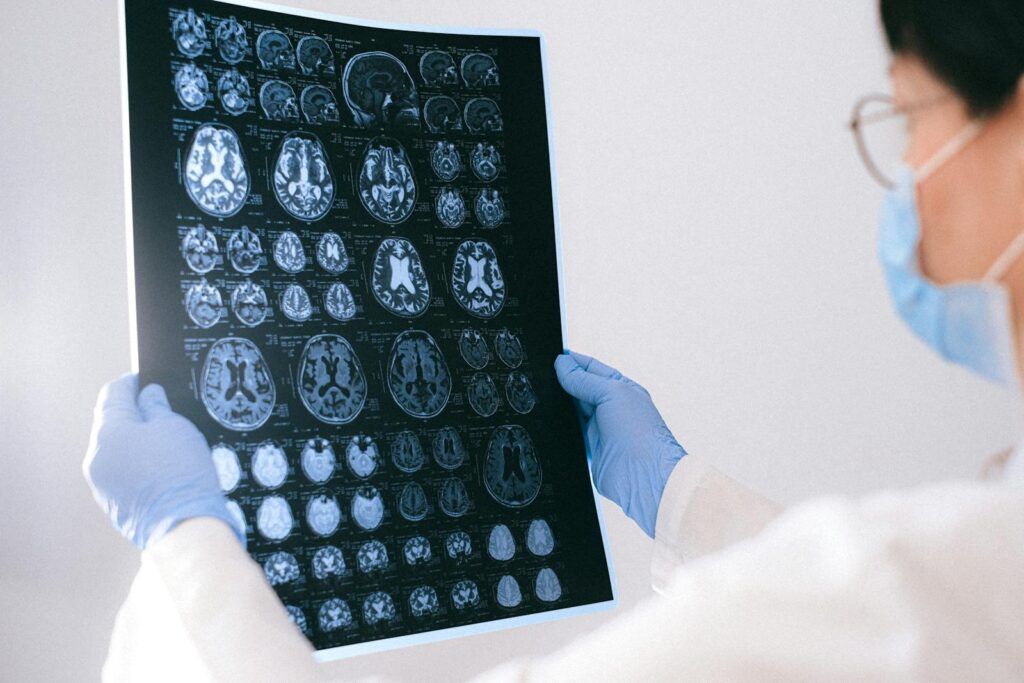
The diagnostic process often involves observation periods where medical professionals monitor patients for developing symptoms. Since brain injury symptoms can be delayed, patients may require extended observation or follow-up appointments to catch evolving problems. This monitoring is particularly important for detecting complications like delayed brain bleeding or increasing intracranial pressure.
“Many people don’t realize that brain injuries can worsen over time, especially in the first 24-48 hours after an accident. What seems like a minor bump on the head can develop into a serious medical emergency. That’s why proper medical documentation from the very beginning is so important for both medical treatment and legal protection.” – Tim Elrod
Tennessee-Specific Considerations for Brain Injury Diagnosis
In East Tennessee, accident victims may face unique challenges accessing specialized brain injury diagnostic services. Regional considerations include:
Geographic Access Challenges:
- Rural medical limitations – Limited specialized care in remote areas
- Travel requirements – Distance to advanced diagnostic facilities
- Emergency transport – Helicopter and ambulance service availability
- Specialist availability – Neurologist and neurosurgeon access
Legal Framework Considerations:
- Comparative fault laws – Tennessee’s shared responsibility system
- Documentation requirements – Evidence linking injuries to accidents
- Statute of limitations – Time limits for filing legal claims
- Insurance regulations – Coverage requirements and limitations
Tennessee’s comparative fault laws also make thorough medical documentation crucial for car accident victims. Proper diagnosis and documentation of brain injuries can significantly impact legal claims and insurance settlements. The state’s legal framework requires clear evidence linking injuries to the accident, making comprehensive medical evaluation essential for protecting victims’ rights.
Insurance coverage considerations in Tennessee can affect access to diagnostic testing, particularly for advanced imaging and specialized neurological evaluations. Understanding insurance requirements and advocating for necessary testing helps ensure patients receive appropriate diagnostic care without facing unexpected financial burdens.
Coordination Between Medical Care and Legal Protection
Brain injury victims often need coordination between their medical team and legal representation to ensure proper documentation and protection of their rights. Medical records, diagnostic test results, and expert medical opinions form the foundation of successful personal injury claims. Having experienced legal guidance helps families navigate both the medical system and legal processes simultaneously.
The diagnostic process for traumatic brain injuries can extend over weeks or months as symptoms develop and clarify. This timeline creates challenges for legal claims, as the full extent of injuries may not be apparent immediately after an accident. Working with Knoxville attorneys who understand both the medical and legal aspects of brain injury cases helps protect victims’ long-term interests.
Documentation requirements for brain injury cases extend beyond basic medical records to include cognitive testing results, imaging studies, and expert medical opinions about future care needs. The top attorneys in Knoxville work with medical professionals to ensure comprehensive documentation that supports both current treatment needs and future legal claims.
Why Choose OEB Law for Your Traumatic Brain Injury Case

When facing a traumatic brain injury diagnosis after a car accident, you need legal representation that understands both the complex medical issues and the significant legal implications. At OEB Law, our team has extensive experience handling brain injury cases and works closely with medical professionals to ensure comprehensive documentation and maximum compensation for our clients.
Brain injury cases require specialized knowledge of both Tennessee personal injury law and the medical complexities of neurological trauma. Our attorneys understand how to coordinate with medical providers, secure necessary diagnostic testing, and build compelling cases that reflect the true impact of brain injuries on victims’ lives. We also help families navigate insurance challenges and ensure access to necessary medical care throughout the diagnostic and treatment process.
Who is OEB Law and Why Are They Good for the Community?
Led by Managing Attorney Timothy G. Elrod and Our Experienced Legal Team
Founded in 2004 in Knoxville, Tennessee, OEB Law has grown over nearly two decades to now serve clients across multiple states. Tim Elrod established the firm with a simple but powerful mission: we care and we help people. Today, together with attorneys Michael Bernard, Billy Sivyer, Gena Lewis, and Logan Wade, our team brings over 50 years of combined experience representing clients throughout Tennessee, Kentucky, the Carolinas, and Georgia in personal injury and criminal defense cases.
Our Legal Expertise
Our attorneys have built their reputation through:
- Successfully representing thousands of personal injury and criminal defense clients
- Developing specialized knowledge across all types of accident and injury cases
- Mastering the complexities of Tennessee’s legal system through decades of practice
Why Trust Us
At OEB Law, our reputation speaks for itself:
- Proven Results: We’ve recovered significant compensation for our clients through both settlements and courtroom verdicts
- Client Satisfaction: Our numerous 5-Star Google Reviews showcase our commitment to responsive, caring, and effective legal representation
- No Fee Unless We Win: You don’t pay attorney fees unless we successfully secure compensation in your case
- Local Knowledge: As East Tennessee natives, we understand our community and care deeply about the people we serve
- Personalized Approach: We personalize each case to meet our clients’ specific needs, ensuring you’re never just another file number
Community Commitment

Our dedication extends beyond the courtroom. We proudly support:
- Boys & Girls Clubs of Tennessee Valley programs and toy drives
- Local high school football programs through Rivalry Thursday sponsorships
- The Knoxville Ice Bears and community fundraising initiatives
- Numerous youth, student, and community organizations throughout East Tennessee
As Tim Elrod says,
“We don’t just take—we give back because the people you’re giving back to are the people who are supporting your firm.“
Have a personal injury or criminal defense case? We’re available 24/7 to help.
Get In Touch
- Call or Text: (865) 546-1111
- Visit: https://oeblawtn.com/
- Available: Standing by 24/7
Why OEB Law? Because They’re Good For The Community.
Understanding the connection between brain injuries and other common car accident injuries helps victims recognize when comprehensive medical evaluation is necessary. Brain injuries often occur alongside whiplash symptoms, spinal injuries, and psychological trauma, requiring coordinated medical care and legal representation. Our team at OEB Law helps clients navigate these complex injury cases while ensuring comprehensive medical evaluation through our car accident settlement calculator and legal expertise.
TEXT or CALL (865) 546-1111 for HELP NOW. Standing By 24/7.
FAQ:
Brain injury symptoms can appear immediately after an accident or may be delayed for hours, days, or even weeks. While severe brain injuries typically cause immediate symptoms, mild traumatic brain injuries and concussions may have subtle or delayed symptoms that gradually worsen over time. Common delayed symptoms include persistent headaches, memory problems, difficulty concentrating, mood changes, and sleep disturbances. This is why it’s crucial to seek medical evaluation immediately after any car accident involving head trauma, even if you feel fine initially. If you’re experiencing any neurological symptoms after an accident, contact Tim Elrod and our experienced Knoxville personal injury attorney team at OEB Law for guidance on both medical care and legal protection.

