If you’ve been injured in an accident in Knoxville or elsewhere in Tennessee, one question that might be on your mind is whether getting an MRI will increase your settlement amount. Understanding how medical evidence impacts your personal injury claim is crucial for making informed decisions about your healthcare and legal strategy. In this blog post, Knoxville attorney Timothy G. Elrod discusses how MRIs can affect personal injury settlements and what you should know before making decisions about your medical care and legal case.
Yes, an MRI can often increase your personal injury settlement amount in Tennessee by providing clear, objective evidence of your injuries. However, the impact varies based on what the MRI reveals, the type of injury, and other factors specific to your case. While an MRI can strengthen your claim by documenting injuries that might otherwise be difficult to prove, it’s not a guarantee of a higher settlement.
Key Takeaways
- MRIs provide objective medical evidence that can make it difficult for insurance companies to dispute or minimize your injuries
- The discovery of hidden injuries through an MRI, such as herniated discs or soft tissue damage, can significantly increase your claim’s value
- The cost of the MRI itself becomes part of your compensable medical expenses
- Getting an MRI promptly after an accident helps establish a direct link between the accident and your injuries
To Discuss Your Case and Get the Help You Deserve, Call or Text, Our Team is Standing By.
How MRIs Impact Personal Injury Settlement Values
| Injury Type | Typical Settlement Without MRI | Typical Settlement With MRI | Potential Increase | Why MRI Matters |
|---|---|---|---|---|
| Neck/Back Sprain/Strain (Soft Tissue) | $3,000 – $7,000 | $5,000 – $15,000 | 35% – 110% | Documents soft tissue damage otherwise difficult to prove |
| Herniated Disc | $10,000 – $25,000 | $40,000 – $80,000+ | 220% – 300% | Shows exact location and severity of herniation, nerve impingement |
| Traumatic Brain Injury (Mild) | $5,000 – $15,000 | $20,000 – $100,000+ | 300% – 560% | Can detect microscopic damage invisible on CT scans |
| Knee Injury (Meniscus Tear) | $8,000 – $15,000 | $20,000 – $50,000 | 150% – 230% | Differentiates between minor sprain and surgical tear |
| Shoulder Injury (Rotator Cuff) | $7,000 – $12,000 | $18,000 – $45,000 | 150% – 275% | Visualizes tears in tendons not visible on X-rays |
Key Takeaways for Tennessee Personal Injury Claims
- MRIs can increase settlement values by 35% to over 500% depending on the injury type and findings
- Timing is critical – MRIs obtained within the first 60 days after an accident have the strongest impact
- Tennessee’s one-year statute of limitations makes prompt medical documentation especially important
- The combination of clear MRI findings and expert testimony creates the strongest settlement leverage
- Even with pre-existing conditions, MRIs can document accident-related aggravations that are compensable under Tennessee law
Note: The figures in this table represent estimates based on general settlement trends in Tennessee personal injury cases. Every case is unique, and many factors beyond MRI findings affect settlement values. For specific advice about your situation, consult with a qualified personal injury attorney.
How MRIs Provide Powerful Evidence in Personal Injury Cases
A Magnetic Resonance Imaging (MRI) scan creates detailed images of the body’s internal structures using powerful magnets and radio waves. Unlike X-rays, which primarily show bones, MRIs excel at revealing injuries to soft tissues like muscles, ligaments, tendons, spinal discs, and the brain.
In personal injury cases, this technology offers significant advantages by providing clear documentation of injuries that might otherwise rely solely on a patient’s subjective reports of pain. Insurance adjusters and defense attorneys often view subjective complaints skeptically, but they find it much harder to dismiss clear MRI evidence.
“Insurance companies typically start with low settlement offers, especially when injuries aren’t visibly documented. When we present clear MRI findings showing a herniated disc or ligament tear, it dramatically changes the conversation and often leads to substantially higher settlement offers.” – Knoxville personal injury attorney Timothy G. Elrod
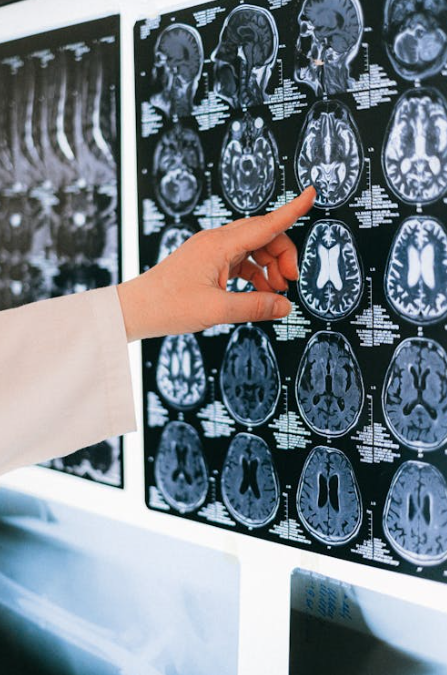
Types of Injuries Where MRIs Make the Most Difference
MRIs are particularly valuable for documenting certain types of injuries that commonly result from accidents:
Spinal Injuries: MRIs can clearly show herniated discs, bulging discs, spinal cord compression, and nerve impingement—all injuries that can cause significant pain but might not appear on X-rays.
Brain Injuries: For traumatic brain injuries (TBIs), MRIs can reveal bruising, bleeding, swelling, or other abnormalities that explain cognitive symptoms.
Soft Tissue Injuries: Damage to muscles, ligaments, and tendons is often invisible on other imaging tests but can be detected with an MRI.
Joint Injuries: MRIs excel at showing tears in structures like the rotator cuff, meniscus, or labrum that can significantly impact your mobility and quality of life.
The ability to objectively document these injuries with an MRI can be the difference between a denied claim and a substantial settlement.
The Financial Impact of MRIs on Settlement Value
An MRI can increase your settlement amount in several specific ways:
1. Documenting the Existence and Extent of Injuries
When an MRI clearly shows a physical injury that corresponds to your symptoms, it makes it much harder for the insurance company to claim you’re exaggerating or that your pain is psychological rather than physical.
2. Adding to Your Medical Expenses
The cost of an MRI scan itself—which can range from $500 to $3,000 or more—becomes part of your compensable medical expenses. These costs are typically included in the economic damages portion of your settlement.
3. Supporting Future Medical Needs
MRI results often help doctors predict future treatment needs, such as surgery, ongoing physical therapy, or pain management. These projected costs can significantly increase your settlement amount.
4. Strengthening Non-Economic Damage Claims
Clear evidence of serious injuries helps justify claims for non-economic damages like pain and suffering, emotional distress, and loss of enjoyment of life—often the largest component of personal injury settlements.
“One of the most challenging aspects of personal injury claims is proving the invisible suffering that occurs. When we can point to an MRI showing a herniated disc pressing on a nerve root, it validates the client’s pain in a way that transforms how their claim is valued.” – Tim Elrod
When Should You Get an MRI After an Accident?
Timing matters when it comes to getting an MRI after an accident in Tennessee. Here are important considerations:
Follow Medical Advice: First and foremost, follow your doctor’s recommendations. If they believe an MRI is medically necessary, that should be your primary consideration.
Prompt Documentation: Getting an MRI soon after an accident helps establish a clear connection between the accident and your injuries, making it harder for the defense to argue that your injuries came from something else.
Persistent Symptoms: If you’re experiencing ongoing pain, numbness, tingling, or other concerning symptoms that haven’t improved with initial treatment, an MRI may be warranted.
Insurance Coverage: Check whether your health insurance will cover the MRI, or if your auto insurance’s medical payments (Med Pay) coverage or personal injury protection (PIP) might apply.
Remember that Tennessee has a one-year statute of limitations for personal injury claims—among the shortest in the nation. Prompt medical attention, including appropriate diagnostic tests like MRIs, helps establish your claim within this tight timeframe.
Limitations of MRIs in Personal Injury Claims
While MRIs can significantly strengthen your case, they aren’t a magic solution for every personal injury claim:
Not All Injuries Show on MRIs: Some legitimate injuries, like certain types of pain conditions, may not be visible on an MRI.
Interpretation Matters: MRI results require professional interpretation, and sometimes radiologists and doctors disagree about what the images show.
Pre-existing Conditions: If you had pre-existing issues in the same area of your body, the defense might argue that the MRI is showing old injuries rather than new ones from the accident.
Cost vs. Benefit: MRIs are expensive, and if your injuries are healing well with other treatments, the cost might outweigh the benefit for your case.
In Tennessee, there are also caps on non-economic damages that limit the maximum amount you can recover for pain and suffering to $750,000 in most cases (or $1 million for catastrophic injuries).
Why Choose OEB Law for Your Personal Injury Case Involving MRI Evidence

When dealing with a personal injury case where MRI evidence plays a crucial role, having experienced legal representation can make a significant difference in the outcome. The top attorneys in Knoxville at OEB Law understand how to effectively use medical evidence like MRIs to build compelling cases that maximize compensation.
Our team works closely with medical experts who can interpret your MRI results and clearly explain their significance to insurance adjusters, judges, and juries. We know exactly how to present this technical medical evidence in a way that demonstrates the full impact of your injuries on your life.
Additionally, we can help you navigate the complex process of obtaining appropriate medical care, including necessary diagnostic tests like MRIs, even if you’re concerned about the costs. We’ll explore all available options to ensure you receive the care you need while building the strongest possible case.
Who is OEB Law and Why Are They Good for the Community?
Led by Managing Attorney Timothy G. Elrod and Our Experienced Legal Team
Founded in 2004 in Knoxville, Tennessee, OEB Law has grown over nearly two decades to now serve clients across multiple states. Tim Elrod established the firm with a simple but powerful mission: we care and we help people. Today, together with attorneys Michael Bernard, Billy Sivyer, Gena Lewis, and Logan Wade, our team brings over 50 years of combined experience representing clients throughout Tennessee, Kentucky, the Carolinas, and Georgia in personal injury and criminal defense cases.
Our Legal Expertise
Our attorneys have built their reputation through:
- Successfully representing thousands of personal injury and criminal defense clients
- Developing specialized knowledge across all types of accident and injury cases
- Mastering the complexities of Tennessee’s legal system through decades of practice
Why Trust Us
At OEB Law, our reputation speaks for itself:
- Proven Results: We’ve recovered significant compensation for our clients through both settlements and courtroom verdicts
- Client Satisfaction: Our numerous 5-Star Google Reviews showcase our commitment to responsive, caring, and effective legal representation
- No Fee Unless We Win: You don’t pay attorney fees unless we successfully secure compensation in your case
- Local Knowledge: As East Tennessee natives, we understand our community and care deeply about the people we serve
- Personalized Approach: We personalize each case to meet our clients’ specific needs, ensuring you’re never just another file number
Community Commitment
Our dedication extends beyond the courtroom. We proudly support:
- Boys & Girls Clubs of Tennessee Valley programs and toy drives
- Local high school football programs through Rivalry Thursday sponsorships
- The Knoxville Ice Bears and community fundraising initiatives
- Numerous youth, student, and community organizations throughout East Tennessee
As Tim Elrod says, “We don’t just take—we give back because the people you’re giving back to are the people who are supporting your firm.“
Have a personal injury or criminal defense case? We’re available 24/7 to help.
Get In Touch
- Call or Text: (865) 546-1111
- Visit: https://oeblawtn.com/
- Available: Standing by 24/7
Why OEB Law? Because They’re Good For The Community.
TEXT or CALL (865) 546-1111 for HELP NOW. Standing By 24/7.
FAQ
In Tennessee, you should get an MRI as soon as your doctor recommends it following an accident. With our state’s strict one-year statute of limitations, prompt medical documentation is crucial. While there’s no specific timeline, getting an MRI within days or weeks of your accident creates the strongest connection between the accident and your injuries. Insurance companies often question delays in medical treatment, so following your doctor’s advice without unnecessary delays is the best approach. If you’re concerned about costs, consult with a Knoxville attorney Tim Elrod who can help explore payment options while you await your settlement.

