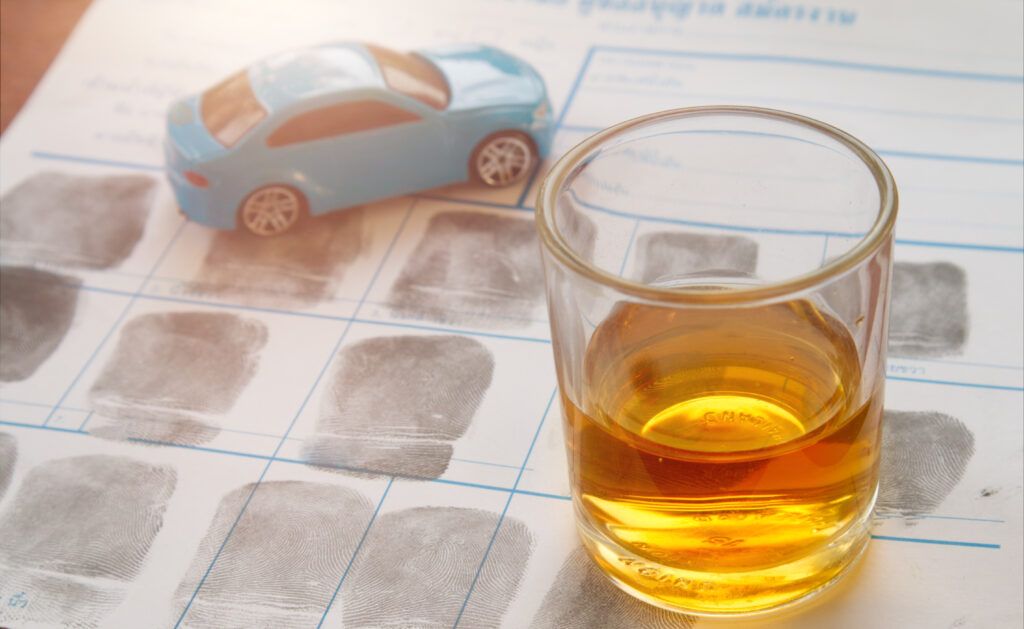
After a drunk driving accident, victims are often left with severe injuries, emotional trauma, and significant financial burdens. Navigating the aftermath is confusing, and understanding how insurance companies handle drunk driving accident claims in Tennessee adds another layer of complexity. These cases are not treated like standard collisions; they involve a unique set of rules, pressures, and tactics from insurance adjusters focused on minimizing payouts. At OEB Law, we have seen firsthand how insurers leverage the situation to protect their bottom line. In this blog post, Knoxville attorney Tim Elrod discusses how insurance companies handle drunk driving accident claims in Tennessee, the unique challenges victims face, and why experienced legal representation is essential for maximum compensation.
Key Takeaways
- Insurance companies treat DUI claims differently due to punitive damage exposure and policy exclusions for intentional acts; expect aggressive tactics to minimize liability.
- Tennessee’s modified comparative fault rule allows recovery even if you are partially at fault (up to 49%), but insurers will exploit this to reduce your payout.
- The drunk driver’s criminal conviction establishes negligence per se in Tennessee civil claims, significantly strengthening your insurance case.
- Multiple insurance policies may apply, including the drunk driver’s liability, your own UM/UIM coverage, and even a bar’s commercial policy, requiring strategic navigation.
Insurance companies handle drunk driving accident claims through a multi-stage process that differs significantly from typical car accident claims. They begin with an intensive investigation focused on verifying the DUI arrest, obtaining Blood Alcohol Content (BAC) results, and securing the official police report. Their liability determination is often complicated by policy exclusions for “intentional acts,” while settlement negotiations are heavily influenced by their exposure to punitive damages. In Tennessee, insurers must also navigate the state’s modified comparative fault rule, and a criminal DUI conviction against the at-fault driver establishes negligence per se, which dramatically strengthens the victim’s civil claim.
To Discuss Your Case, Call or Text Our Team Standing By 24/7: (865) 546-1111
About OEB Law, Your Knoxville Legal Team

This guide is provided by the experienced attorneys at OEB Law, led by Managing Attorney Timothy G. Elrod. Founded in Knoxville in 2004, our firm has over 50 years of combined experience navigating East Tennessee’s legal system.
We have successfully represented thousands of personal injury clients, developing deep expertise in Tennessee’s complex wrongful death and accident laws. As East Tennessee natives, we have a direct understanding of the local court systems, law enforcement agencies, and community needs. Our commitment is to provide trusted, authoritative information to our neighbors in Knoxville and the surrounding Tennessee communities. However, this information does not constitute legal advice. If you or a loved one has been injured in an accident or needs legal help, call us today for a free, no obligation, initial consultation.
The Insurance Claims Process for DUI Accidents in Tennessee
The moments after a drunk driving accident are chaotic, but the insurance claims process that follows is methodical and strategic. Insurers immediately categorize DUI-related incidents as high-risk claims, triggering a more in-depth investigation than a standard fender bender. Understanding their process is the first step toward protecting your rights.
How Does the Claims Process Differ for Drunk Driving Accidents?
Unlike a simple rear-end collision, a drunk driving accident involves both a civil personal injury claim and a parallel criminal case against the at-fault driver. The insurance company closely monitors the criminal proceedings because a DUI conviction is powerful evidence. In Tennessee, a DUI conviction establishes “negligence per se,” which means the driver’s negligence is presumed by law, making it extremely difficult for the insurer to deny liability. This linkage between the criminal and civil systems is the primary reason these claims are handled with more scrutiny.
What Makes DUI Claims More Complex for Insurance Companies?
DUI claims introduce unique factors that complicate an insurer’s standard playbook. The most significant is the threat of punitive damages, which are intended to punish the drunk driver for reckless behavior. Because these damages are not covered by standard insurance policies, the at-fault driver is personally liable for them. This creates immense pressure on the insurance company to settle the claim within the policy limits to protect their insured client from personal financial ruin. Consequently, adjusters may use aggressive tactics, such as arguing that driving drunk was an “intentional act” excluded from coverage, in an attempt to deny the claim altogether.
Key evidence that insurance adjusters immediately seek in a Tennessee DUI claim includes:
- The official police accident report detailing the DUI arrest.
- Results from any field sobriety, breathalyzer, or blood tests.
- Statements from any witnesses who observed the driver’s behavior.
- The final disposition of the driver’s criminal DUI case.
“Insurance companies know that Tennessee law treats drunk driving as negligence per se, meaning once that DUI conviction comes through, their liability arguments become very difficult. That’s why we often see them rush to settle before the criminal case concludes—they’re trying to avoid the leverage that conviction gives you.” – Knoxville attorney Tim Elrod
Tennessee DUI Insurance Claim Timeline: Investigation to Settlement
Frequently Asked Questions
Tennessee DUI accident claims typically take 3-6 months from filing to settlement if liability is clear. Cases involving serious injuries or disputed liability may take 12-18 months, especially if litigation is necessary before the 1-year statute of limitations expires.
Insurance companies spend more time investigating DUI claims because of punitive damage exposure (which policies don’t cover) and potential policy exclusions for “intentional acts.” In Tennessee, insurers must carefully assess whether the drunk driver’s actions trigger these exclusions.
The first step is obtaining the police report confirming DUI arrest and BAC results. In Tennessee, insurers immediately assess whether criminal charges were filed, as a DUI conviction establishes “negligence per se” under Tennessee law, making liability much harder to dispute.
No. Tennessee insurance policies specifically exclude punitive damages from coverage. This means the drunk driver is personally liable for any punitive damages awarded at trial, which creates strong motivation for insurance companies to settle DUI cases within policy limits before trial.
Tennessee punitive damages in DUI cases typically range from $100,000 to $1,000,000+ depending on the severity of injuries, the drunk driver’s BAC level, and whether it’s a repeat offense. Davidson County (Nashville) juries tend to award higher punitive damages than rural Tennessee counties.
The threat of punitive damages—which insurance doesn’t cover—creates significant settlement pressure. In Tennessee, insurers know that if a DUI case goes to trial, the drunk driver faces personal financial exposure beyond policy limits. This typically increases settlement offers by 40-70% compared to non-DUI accident claims.
How Tennessee’s Modified Comparative Fault Rule Affects Your DUI Claim
Even when the other driver was clearly intoxicated, insurance companies will look for any reason to reduce the amount they have to pay. One of their most effective tools in Tennessee is the state’s modified comparative fault rule. This legal doctrine can significantly impact your final settlement if you are not prepared to counter their arguments.
What Is Tennessee’s 50% Fault Rule in DUI Accident Cases?
Under Tenn. Code Ann. § 29-11-103, Tennessee follows a “modified comparative fault” system. This means you can still recover damages in a car accident as long as you are found to be less than 50% responsible for the crash. However, your total compensation will be reduced by your percentage of fault. For example, if you are awarded $100,000 in damages but found to be 10% at fault, your recovery would be reduced to $90,000. If you are found to be 50% or more at fault, you are barred from recovering any compensation at all.
How Do Insurance Companies Use Comparative Fault to Reduce DUI Payouts?
Insurance adjusters are trained to find fault with the victim’s actions. Even in a drunk driving case, they will investigate whether you were doing anything that could have contributed to the accident. Common arguments they use to assign partial fault include suggesting that you were speeding, distracted by your phone, or failed to take evasive action to avoid the collision. By successfully assigning even 10% or 20% of the blame to you, they can save their company thousands of dollars on your claim.
Here is how the rule works in practice:
- 0-49% At Fault: You can recover damages, but the amount is reduced by your percentage of fault.
- 50% or More At Fault: You cannot recover any damages from the other party.
- Insurer’s Goal: To assign any percentage of fault to you to reduce their payout.
- Your Goal: To prove the drunk driver was 100% responsible for the incident.
Punitive Damages in Tennessee DUI Cases—Why Insurance Companies Fear Them
The concept of punitive damages is one of the most powerful points of leverage a victim has in a drunk driving accident claim. These damages are unique to cases involving gross negligence or reckless behavior, and the threat they pose can dramatically alter an insurance company’s settlement strategy.
What’s the Difference Between Compensatory and Punitive Damages in Tennessee?
In a personal injury claim, there are two main types of damages you can pursue. Compensatory damages are meant to “make you whole” again by covering your actual losses, such as medical bills, lost income, property damage, and pain and suffering. These are the damages covered by a standard auto insurance policy.
Punitive damages, however, are different. They are not designed to compensate the victim but rather to punish the wrongdoer for egregious conduct and deter similar behavior in the future. In Tennessee, driving under the influence is considered reckless conduct that justifies a punitive damage award. Crucially, insurance policies do not cover punitive damages, meaning the drunk driver is personally responsible for paying them out of their own assets.
How Do Punitive Damages Impact Insurance Company Settlement Strategies?
The risk of a large punitive damage award at trial creates a major dilemma for the insurance company. While they are only contractually obligated to pay for covered compensatory damages up to the policy limit, they also have a duty to protect their insured from a devastating personal judgment. If they refuse to offer a fair settlement for the covered damages and the case goes to trial, their client could be hit with a massive punitive award. This leverage often compels insurers to offer the full policy limits to settle the case quickly and avoid the risk of trial. The experienced attorneys at OEB Law know how to frame a demand to emphasize this risk.
“When we send a demand letter in a DUI case and clearly articulate the punitive damage exposure, we often see insurance companies move quickly to policy limits. They know that Tennessee juries don’t look kindly on drunk drivers, and the personal financial risk is too high for their insured to take to trial.” – Knoxville attorney Tim Elrod
Compensatory vs. Punitive Damages in Tennessee DUI Accidents
| Damage Type | What It Covers | Insurance Coverage | Tennessee Standard | Average Award Range |
|---|---|---|---|---|
| Compensatory | Medical bills, lost wages, pain & suffering, property damage | YES – Covered by drunk driver’s liability policy (up to policy limits) | Preponderance of evidence (more likely than not) | $50K-$500K+ depending on injury severity |
| Punitive | Punishment for reckless/malicious conduct | NO – Drunk driver pays personally | Clear & convincing evidence of intentional/reckless conduct (Tenn. Code Ann. § 29-39-104) | $100K-$1M+ in Tennessee DUI cases |
Key Insight: Because insurance doesn’t cover punitive damages, drunk drivers face personal financial ruin if the case goes to trial. This creates significant settlement pressure and often results in insurance companies offering policy limits to avoid trial exposure.
Common Insurance Company Tactics in Tennessee DUI Claims (And How to Counter Them)
Insurance companies are for-profit businesses, and their adjusters are skilled negotiators trained to protect the company’s financial interests. In DUI cases, they employ specific tactics designed to limit their liability and reduce the final settlement amount. Recognizing these strategies is crucial to protecting the value of your claim.
What Are the Most Common Lowball Tactics Insurance Adjusters Use?
One of the most frequent tactics is the quick, lowball settlement offer. An adjuster may contact you within days of the accident, offering a check to cover your immediate medical bills. They do this hoping you will accept before the full extent of your injuries is known and before the drunk driver is convicted in criminal court. Another common tactic is to delay the claims process, hoping that financial pressure will force you to accept an inadequate offer. They may also attempt to get a recorded statement from you, trying to get you to say something that can be used to assign partial fault for the accident.
How Does Legal Representation Counter These Tactics in Tennessee?
An experienced personal injury attorney acts as a shield between you and the insurance company. We handle all communications with the adjuster, preventing you from making any statements that could harm your case. We also ensure that no settlement is considered until your medical treatment is complete and we have a clear understanding of your long-term needs. By managing the case timeline, gathering all necessary evidence, and leveraging the threat of punitive damages, we force the insurer to negotiate in good faith. Knowing how to estimate your claim value is a key part of this process.
An attorney provides critical advantages:
- Levels the Playing Field: Adjusters are professional negotiators; an attorney ensures you have an expert on your side.
- Maximizes Value: Studies consistently show that victims with legal representation recover significantly higher settlements.
- Manages Deadlines: We protect your claim from Tennessee’s strict one-year statute of limitations.
- Reduces Stress: We handle the complex legal and administrative work so you can focus on your recovery.
Why Choose OEB Law for Tennessee Drunk Driving Accident Claims

At OEB Law, we understand that drunk driving accident claims in Tennessee involve unique complexities that standard personal injury cases don’t face. Our team, led by Knoxville personal injury attorney Tim Elrod, has over 20 years of experience navigating the specific challenges of DUI-related insurance claims across Tennessee. We handle everything from dealing with insurers who try to exploit policy exclusions for “intentional acts” to strategically leveraging Tennessee’s punitive damage framework to maximize your compensation.
We have represented hundreds of Tennessee DUI accident victims in Knox, Anderson, and surrounding counties, giving us direct insight into how different insurance companies operate in Tennessee’s various judicial districts. We know which adjusters will negotiate fairly and which require litigation pressure. We understand the timeline pressures of Tennessee’s one-year statute of limitations and coordinate with criminal DUI prosecutions to lock in negligence per se advantages. Our approach is strategic: we don’t just file claims—we reverse-engineer the insurance company’s playbook and use Tennessee law to create maximum settlement pressure before trial.
Who is OEB Law and Why Are They Good for the Community?
Led by Managing Attorney Timothy G. Elrod and Our Experienced Legal Team
Founded in 2004 in Knoxville, Tennessee, OEB Law has grown over nearly two decades to now serve clients across multiple states. Tim Elrod established the firm with a simple but powerful mission: we care and we help people. Today, together with attorneys Michael Bernard, Billy Sivyer, Gena Lewis, and Logan Wade, our team brings over 50 years of combined experience representing clients throughout Tennessee and Kentucky in personal injury and criminal defense cases.
Our Legal Expertise
Our attorneys have built their reputation through:
- Successfully representing thousands of personal injury and criminal defense clients
- Developing specialized knowledge across all types of accident and injury cases
- Mastering the complexities of Tennessee’s legal system through decades of practice
Why Trust Us
At OEB Law, our reputation speaks for itself:
- Proven Results: We’ve recovered significant compensation for our clients through both settlements and courtroom verdicts
- Client Satisfaction: Our numerous 5 Star Google Reviews showcase our commitment to responsive, caring, and effective legal representation
- No Fee Unless We Win: You don’t pay attorney fees unless we successfully secure compensation in your case
- Local Knowledge: As East Tennessee natives, we understand our community and care deeply about the people we serve
- Personalized Approach: We personalize each case to meet our clients’ specific needs, ensuring you’re never just another file number
Community Commitment
Our dedication extends beyond the courtroom. We proudly support:
- Local high school football programs through Rivalry Thursday sponsorships
- The Knoxville Ice Bears and community fundraising initiatives
- Numerous youth, student, and community organizations throughout East Tennessee
As Tim Elrod says, “We don’t just take—we give back because the people you’re giving back to are the people who are supporting your firm.“
Have a personal injury or criminal defense case? We’re available 24/7 to help.
Get In Touch
- Call or Text: (865) 546-1111
- Visit: https://oeblawtn.com/
- Available: Standing by 24/7
Why OEB Law? Because They’re Good For The Community.
TEXT or CALL (865) 546-1111 for HELP NOW. Standing By 24/7.
Follow Us on Social Media
Stay connected with OEB Law for the latest Knoxville and East Tennessee legal insights, community updates, and important legal information. Follow us on X, YouTube, Facebook, Instagram, LinkedIn, and TikTok for exclusive content, client stories, and expert legal guidance from our team.

