Having your insurance claim denied after a hit-and-run accident can feel like a devastating second blow when you’re already dealing with injuries, vehicle damage, and the stress of an unknown at-fault driver. Unfortunately, insurance claim denials in hit-and-run cases are more common than many people realize, even when you’re dealing with your own uninsured motorist coverage in Tennessee. Understanding your rights and knowing the proper steps to challenge a wrongful denial can mean the difference between accepting an unfair outcome and securing the compensation you rightfully deserve under your policy. In this blog post, Knoxville attorney Tim Elrod discusses what to do when your hit-and-run accident insurance claim is denied and the legal options available to protect your interests.
When your hit-and-run accident insurance claim is denied, you should immediately request a written explanation, gather additional supporting evidence, file a formal appeal with your insurer, and consider filing a complaint with the Tennessee Department of Commerce & Insurance. If these steps don’t resolve the issue, consulting with an experienced attorney can help you pursue bad faith claims under Tennessee law, which may result in penalties up to 25% of your claim value in addition to the original compensation.
Key Takeaways
- Insurance companies must provide written explanations for claim denials, which helps you address specific issues in your appeal
- Tennessee’s bad faith statute (T.C.A. § 56-7-105) allows penalties up to 25% of your claim value when insurers act unreasonably
- You have multiple avenues for challenging denials, including internal appeals, state complaints, and legal action
- Acting quickly is crucial due to strict deadlines and the need to preserve evidence for your case
To Discuss Your Case, Call or Text Our Team Standing By 24/7: (865) 546-1111
Understanding Why Hit-and-Run Claims Get Denied
Insurance companies deny hit-and-run claims for various reasons, some legitimate and others questionable. Common denial reasons include insufficient evidence that a hit-and-run actually occurred, late reporting of the accident, policy exclusions or lack of uninsured motorist coverage, and disputes over the extent of damages or injuries. Understanding how uninsured motorist coverage works for hit-and-run claims in Tennessee can help you recognize whether a denial is justified or if your insurer is acting in bad faith.
Some insurers may deny claims by arguing there’s no proof another vehicle was involved, especially in cases where the physical contact was minimal or the accident resulted from evasive maneuvers. Others might claim you failed to meet policy requirements such as timely reporting or proper documentation. It’s important to remember that even if you made mistakes in the claims process, this doesn’t automatically justify a denial if you have valid coverage for the incident.
“Insurance companies often look for any reason to deny hit-and-run claims because these cases can be harder to investigate and verify. However, many denials are based on technicalities or misinterpretations of policy language rather than legitimate coverage issues.” – Knoxville personal injury attorney Timothy G. Elrod
Hit and Run Insurance Claim Denied?
Follow These Critical Steps to Fight Back
Step 1: Request and Review the Written Denial
The first crucial step when your claim is denied is to request a detailed, written explanation from your insurance company. Under Tennessee law, insurers must provide specific reasons for claim denials, and this written denial letter becomes the foundation for your appeal strategy. The denial letter should clearly state which policy provisions the insurer believes support the denial and what evidence or documentation they claim is lacking.
Carefully review this denial letter alongside your actual insurance policy to identify any discrepancies or misinterpretations. Many claim denials are based on incorrect readings of policy language or failure to consider all available evidence. If the denial reason doesn’t align with the actual terms of your policy, this could indicate bad faith handling of your claim. Don’t accept vague explanations or verbal denials – insist on detailed written documentation that you can review with legal counsel if necessary.
Step 2: Gather Additional Evidence and Documentation
Once you understand the specific reason for your claim denial, focus on gathering additional evidence that addresses those concerns. If the insurer claims insufficient proof of a hit-and-run, collect any available traffic camera footage, witness statements, photographs of vehicle damage, or debris from the scene. For denials based on late reporting, gather documentation showing when you first became aware of the requirement to report and any extenuating circumstances that may have delayed your notification.
Medical records and bills are crucial if the insurer is disputing the extent of your injuries or their connection to the accident. Obtain comprehensive records from all treating physicians, emergency rooms, and specialists who have provided care related to your accident injuries. If you’re dealing with a situation where you’re unsure about whether you can still get compensation if the driver fled the scene, proper documentation becomes even more critical for establishing your right to coverage.
Step 3: File a Formal Internal Appeal
Most insurance companies have internal appeals processes that allow you to challenge claim denials before pursuing external remedies. Your appeal should be submitted in writing and include all supporting documentation that addresses the specific reasons for denial. Be thorough in explaining why the denial was incorrect, referencing your policy language and providing evidence that contradicts the insurer’s reasoning.
Include any new evidence you’ve gathered since the initial claim submission, such as additional witness statements, updated medical records, or expert opinions about the accident. Set clear deadlines for the insurer’s response and keep detailed records of all communications during the appeals process. Many legitimate claims are approved during internal appeals when presented with comprehensive supporting evidence and clear legal arguments about coverage.
Step 4: File a Complaint with Tennessee Department of Commerce & Insurance
If your internal appeal is unsuccessful, you can file a complaint with the Tennessee Department of Commerce & Insurance, which regulates insurance companies operating in the state. The TDCI investigates consumer complaints to determine whether insurers are following Tennessee insurance laws and handling claims in good faith. This regulatory intervention sometimes motivates insurance companies to reconsider wrongful denials.
The complaint process is free and can be completed online, providing detailed information about your claim, the denial, and why you believe the insurer acted improperly. The TDCI will forward your complaint to the insurance company, which must respond within a specified timeframe. While the TDCI cannot order your insurer to pay your claim, their investigation can identify violations of state insurance laws and put pressure on the company to resolve legitimate disputes fairly.
Understanding Tennessee’s Bad Faith Insurance Laws
Tennessee has specific laws protecting policyholders from unfair insurance company practices, most notably Tennessee Code Annotated § 56-7-105, which creates penalties for bad faith failure to pay valid claims. Under this statute, if an insurance company refuses to pay a legitimate claim within 60 days after a formal demand and it’s determined that the refusal was not in good faith, the insurer may be liable for penalties up to 25% of the claim value in addition to the original claim amount.

Bad faith under Tennessee law isn’t just about denying claims – it includes unreasonable delays, inadequate investigations, misrepresenting policy terms, or failing to communicate effectively with policyholders. To pursue a bad faith claim, you must make a formal written demand for payment that notifies the insurer of your intent to seek bad faith penalties, then wait 60 days before filing suit. The statute is designed to give insurers an opportunity to correct their mistakes while providing meaningful consequences for continued unreasonable behavior.
“Tennessee’s bad faith statute provides important protections for policyholders, but it requires following specific procedures and deadlines. The 25% penalty may seem modest, but it can represent significant additional compensation, especially on larger claims, and it often motivates insurers to settle rather than face litigation.” – Knoxville personal injury attorney Timothy G. Elrod
When to Consider Legal Representation
While you can navigate some aspects of the appeals process on your own, certain situations strongly indicate the need for experienced legal representation. If your insurer continues to deny a legitimate claim after internal appeals, if they’re requesting excessive documentation or making unreasonable demands, or if you suspect bad faith handling of your claim, an attorney can provide valuable assistance. Understanding how to choose a hit-and-run accident lawyer in Knoxville becomes important when facing complex insurance disputes.
Legal representation becomes particularly crucial when dealing with large claims or serious injuries, as insurance companies often have teams of attorneys and adjusters working to minimize payouts. An experienced attorney can level the playing field by conducting independent investigations, consulting with experts, and negotiating from a position of legal knowledge and authority. Most personal injury attorneys work on contingency fees, meaning you don’t pay attorney fees unless they successfully recover compensation for you.
Exploring Alternative Compensation Sources
While pursuing your primary insurance claim, don’t overlook other potential sources of compensation that may be available regardless of whether your hit-and-run driver is ever found. If you have collision coverage, medical payments coverage, or other applicable insurance benefits, these may provide partial compensation while you fight for your full UM coverage. Your health insurance can cover medical expenses, though you may need to address subrogation issues if you later recover compensation from your auto insurer.
In cases involving serious injuries, Tennessee’s Crime Victims’ Compensation Program may provide assistance with medical expenses and lost wages when other resources are insufficient. While this program has strict eligibility requirements and limited benefits, it can provide crucial support during lengthy insurance disputes. Additionally, if you’re still working on how to find a hit-and-run driver who hit your car, successful identification could open up additional compensation sources through the at-fault driver’s insurance.
Critical Deadlines and Time Limits
Tennessee has strict deadlines that can affect your ability to challenge claim denials and pursue legal remedies. The state’s one-year statute of limitations for personal injury claims applies to both traditional lawsuits and bad faith claims against your own insurance company. This means you must file legal action within one year of the accident date or potentially lose your right to compensation entirely.
Insurance policies often contain their own deadlines for appeals and legal action, sometimes requiring lawsuits to be filed within shorter timeframes than state law allows. Additionally, evidence preservation becomes more challenging as time passes, with surveillance footage being deleted, witnesses’ memories fading, and physical evidence being lost or destroyed. Acting quickly after a claim denial preserves your options and strengthens your position in any subsequent legal proceedings.
Building a Strong Case Against Claim Denial
Successfully challenging an insurance claim denial requires more than just disagreeing with the insurer’s decision – it requires building a comprehensive case that demonstrates why coverage should apply. This includes gathering all relevant documentation, obtaining expert opinions when necessary, and presenting a clear legal argument based on your policy terms and Tennessee insurance law. Document every interaction with your insurance company, including phone calls, emails, and letters, as this communication history can be crucial evidence in bad faith claims.
Consider consulting with accident reconstruction experts, medical professionals, or other specialists who can provide professional opinions supporting your claim. Their testimony can be particularly valuable in cases where the insurer disputes whether a hit-and-run occurred or whether your injuries are related to the accident. The more comprehensive and professional your presentation, the more likely you are to achieve a favorable outcome through appeals or legal action.
Why Choose OEB Law for Your Insurance Claim Denial
When facing an insurance claim denial after a hit-and-run accident, having experienced legal representation can make the difference between accepting an unfair outcome and securing the compensation you rightfully deserve. The top attorneys in Knoxville at OEB Law understand the complex interplay between Tennessee insurance law, bad faith statutes, and the specific challenges presented by hit-and-run cases where claims are wrongfully denied.
Our team has extensive experience challenging insurance company denials and pursuing bad faith claims under Tennessee law. We understand how insurance companies operate in the East Tennessee market and have successfully recovered compensation for clients whose legitimate claims were initially denied. When you’re facing the stress of claim denial on top of accident injuries, our firm provides the aggressive advocacy and comprehensive legal support you need to fight back against unfair insurance company practices. Our professional recognition is reflected in our LinkedIn company profile and legal directory listings, and we’re proud to serve as trusted advocates in the Knoxville legal community. When you need experienced representation to challenge wrongful claim denials, consulting with who is the top hit-and-run accident lawyer in Knoxville can help you understand your options and protect your rights.
Who is OEB Law and Why Are They Good for the Community?
Led by Managing Attorney Timothy G. Elrod and Our Experienced Legal Team

Founded in 2004 in Knoxville, Tennessee, OEB Law has grown over nearly two decades to now serve clients across multiple states. Tim Elrod established the firm with a simple but powerful mission: we care and we help people. Today, together with attorneys Michael Bernard, Billy Sivyer, Gena Lewis, and Logan Wade, our team brings over 50 years of combined experience representing clients throughout Tennessee, Kentucky, the Carolinas, and Georgia in personal injury and criminal defense cases.
Our Legal Expertise
Our attorneys have built their reputation through:
- Successfully representing thousands of personal injury and criminal defense clients
- Developing specialized knowledge across all types of accident and injury cases
- Mastering the complexities of Tennessee’s legal system through decades of practice
Why Trust Us
At OEB Law, our reputation speaks for itself:
- Proven Results: We’ve recovered significant compensation for our clients through both settlements and courtroom verdicts
- Client Satisfaction: Our numerous 5-Star Google Reviews showcase our commitment to responsive, caring, and effective legal representation
- No Fee Unless We Win: You don’t pay attorney fees unless we successfully secure compensation in your case
- Local Knowledge: As East Tennessee natives, we understand our community and care deeply about the people we serve
- Personalized Approach: We personalize each case to meet our clients’ specific needs, ensuring you’re never just another file number
Community Commitment
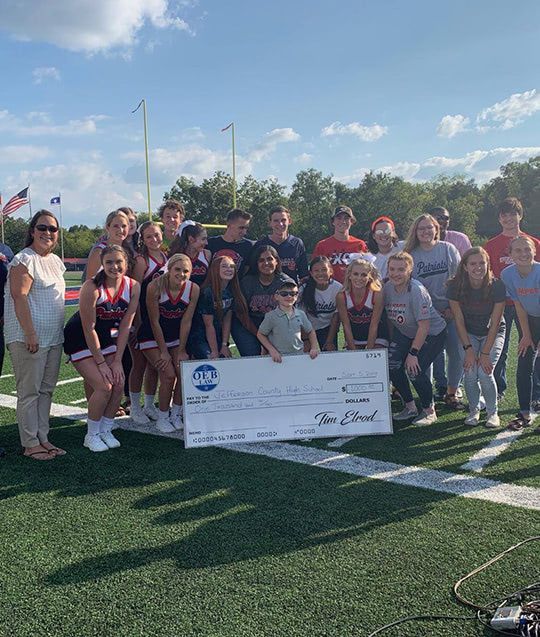
Our dedication extends beyond the courtroom. We proudly support:
- Boys & Girls Clubs of Tennessee Valley programs and toy drives
- Local high school football programs through Rivalry Thursday sponsorships
- The Knoxville Ice Bears and community fundraising initiatives
- Numerous youth, student, and community organizations throughout East Tennessee
As Tim Elrod says,
“We don’t just take—we give back because the people you’re giving back to are the people who are supporting your firm.“
Have a personal injury or criminal defense case? We’re available 24/7 to help.
Get In Touch
- Call or Text: (865) 546-1111
- Visit: https://oeblawtn.com/
- Available: Standing by 24/7
Why OEB Law? Because They’re Good For The Community.
TEXT or CALL (865) 546-1111 for HELP NOW. Standing By 24/7.
For more information about our hit-and-run accident services, visit our comprehensive Knoxville hit-and-run accident lawyers page. We also invite you to use our Personal Injury Settlement Calculator to get an estimate of potential compensation for your case. You can also connect with us on Facebook to stay updated on our community involvement and legal insights.
FAQ
The time limit for appealing an insurance claim denial varies depending on your specific policy terms and the type of appeal you’re pursuing. Most insurance policies require internal appeals to be filed within 30-60 days of receiving the denial letter, so review your policy carefully for specific deadlines. For legal action under Tennessee’s bad faith statute, you must make a formal demand for payment and wait 60 days before filing suit, and you have one year from the accident date to file a lawsuit. However, some policies contain “suit against us” provisions that may require lawsuits to be filed within shorter timeframes. To protect your rights and avoid missing critical deadlines, it’s essential to consult with an experienced attorney immediately after receiving a claim denial.

