Being in an accident can be overwhelming and stressful, especially when dealing with insurance companies afterward. Knowing what to say when an insurance adjuster contacts you can significantly impact your claim’s outcome and your ability to receive fair compensation for your damages. In this blog post, Knoxville attorney Timothy G. Elrod discusses what you should say to an insurance adjuster after an accident and how to protect your interests during these crucial conversations.
When speaking with an insurance adjuster after an accident, provide only basic factual information such as your contact details, the accident’s date and location, and a brief description of what happened. Avoid admitting fault, giving recorded statements without legal guidance, or discussing settlement offers until you fully understand your injuries and damages.
Important Legal Disclaimer
This information is provided for educational purposes only and does not constitute legal advice. Reading this blog post does not create an attorney-client relationship between you and OEB Law. Every accident case is unique, and specific legal advice should be obtained from a qualified attorney familiar with your particular circumstances and Tennessee law.
Key Takeaways
- Provide only basic factual information about the accident when speaking with adjusters
- Never admit fault or speculate about what caused the accident
- Request all communication and offers in writing for documentation purposes
- Consult with an attorney before giving detailed recorded statements
Understanding the Insurance Adjuster’s Role
An insurance adjuster is a professional who investigates insurance claims on behalf of insurance companies. Their primary responsibility is to determine the extent of their company’s liability and minimize payouts whenever possible. While adjusters may seem friendly and helpful, it’s important to remember that they work for the insurance company, not for you.
“Insurance adjusters are trained professionals whose job is to save their company money. While they may appear sympathetic, every question they ask is designed to gather information that could potentially reduce your claim’s value.” – Knoxville personal injury attorney Timothy G. Elrod
Understanding this dynamic helps you approach conversations with adjusters more strategically, ensuring you protect your interests while still being cooperative and honest.
| Category | What to Say/Do |
|---|---|
| ✅ WHAT TO SAY | |
| Basic Information |
• Your name, address, and contact information • Date, time, and location of the accident • Vehicle descriptions (make, model, color) • Police report number if available |
| Factual Account |
• Brief, factual description of what happened • Only what you personally observed • “I don’t know” if you’re unsure about details “The light was green when I entered the intersection”
|
| About Injuries |
• “I am seeking medical attention” • “I am still being evaluated by my doctor” • “I’m under medical care for my injuries” Never say you’re “fine” – some injuries appear later
|
| Communication Requests |
• “Please send all offers in writing” • “I’d like to document our conversation” • “What information do you need from me?” |
| ❌ WHAT NOT TO SAY | |
| Fault Admissions |
❌ “I’m sorry” or “It was my fault” ❌ “I should have been more careful” ❌ “I wasn’t paying attention” ❌ “I was speeding” |
| Injury Statements |
❌ “I’m fine” or “I feel okay” ❌ “It’s just a minor injury” ❌ “I don’t think I’m seriously hurt” ❌ Details about your medical history |
| Settlement Talk |
❌ Don’t accept immediate settlement offers ❌ Don’t discuss dollar amounts ❌ Don’t agree to quick resolutions ❌ “That sounds fair” about any offer |
| Speculation |
❌ Guessing about what caused the accident ❌ Speculating about other driver’s actions ❌ Making assumptions about vehicle damage ❌ Discussing what “might have” happened |
| 📝 SAMPLE SCRIPT | |
| Recommended Response |
“I was involved in an accident on [date] at [location]. My vehicle is a [make, model, year]. I am still being evaluated by my doctor, so I’m not sure of the full extent of my injuries yet. I would prefer to communicate in writing. Please let me know what information you need from me at this time.”
|
| ⚖️ IMPORTANT REMINDERS | |
| Legal Considerations |
• Document every conversation with notes • You can decline recorded statements • Consult an attorney before giving detailed statements • The adjuster works for the insurance company, not you Remember: Their job is to minimize payouts
|
| When to Call OEB Law |
• Before giving any recorded statements • If you’re feeling pressured by the adjuster • When settlement offers seem too low • If your claim is denied or disputed Call (865) 546-1111 – Available 24/7 |
What Information You Should Provide
When speaking with an insurance adjuster, there are certain pieces of information you should be prepared to share. Basic factual information is generally safe to provide and necessary for the claims process.
- Contact Information: Confirm your full name, current address, phone number, and email address. This information helps the adjuster process your claim and maintain communication throughout the process.
- Accident Details: Share the basic facts about when and where the accident occurred. Provide the date, time, and specific location of the incident. Describe the vehicles involved, including make, model, year, and color.
- Police Report Information: If law enforcement responded to the scene, provide the report number and the name of the responding agency. This helps the adjuster obtain official documentation of the incident.
- Insurance Information: Be prepared to provide your own insurance company’s name and policy number. You may also need to share information about other parties involved in the accident if you have it.
What You Should Never Say to an Adjuster
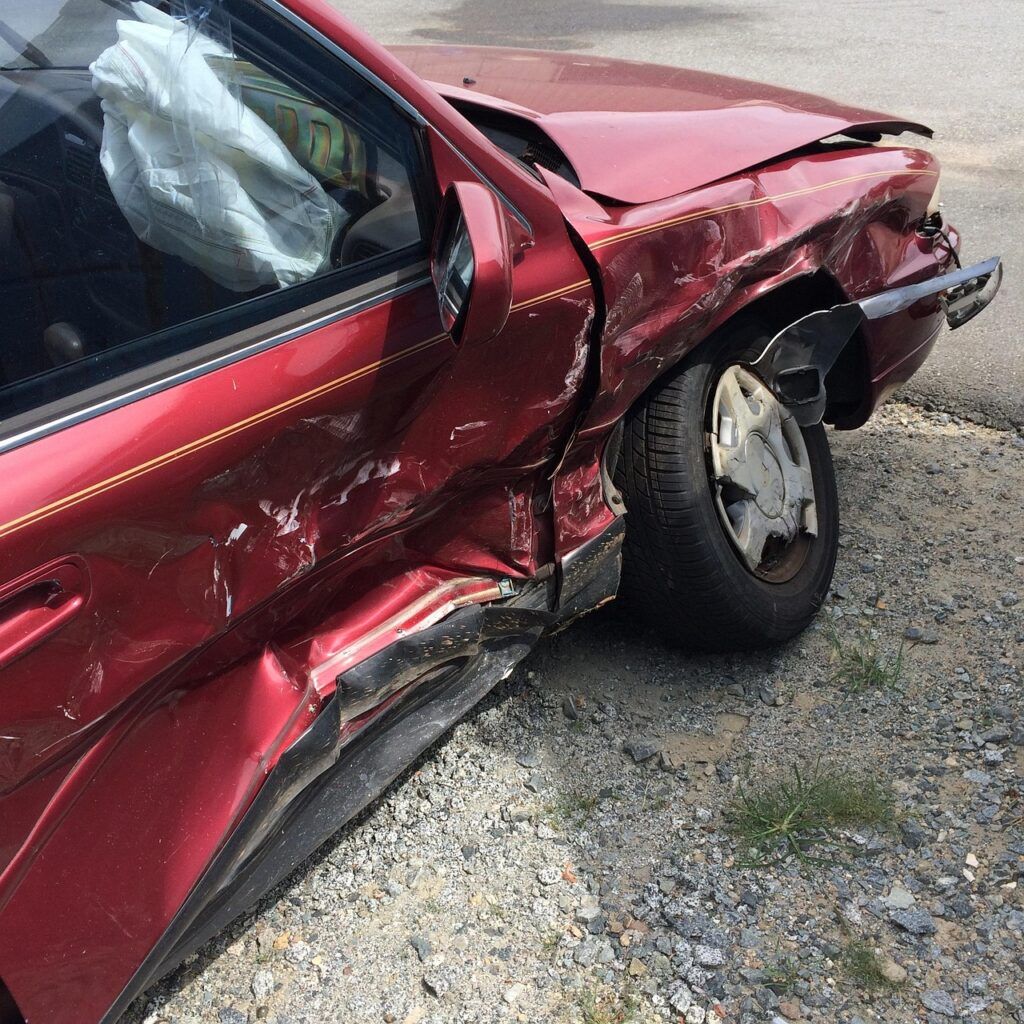
Certain statements can significantly harm your claim and should be avoided at all costs. Admitting fault is perhaps the most damaging mistake you can make when speaking with an adjuster.
Fault Admissions: Never say phrases like “I’m sorry,” “It was my fault,” or “I should have been more careful.” Even if you believe you may have contributed to the accident, the full circumstances may not be clear, and fault determination involves complex legal analysis.
Speculation: Avoid speculating about what happened or why the accident occurred. Stick to what you actually observed and experienced. If you don’t know something or can’t remember clearly, it’s perfectly acceptable to say so.
Minimizing Injuries: Don’t say you’re “fine” or that your injuries are “minor,” even if you feel okay at the moment. Adrenaline can mask pain, and some injuries don’t manifest symptoms immediately.
Settlement Discussions: Resist any pressure to discuss settlement amounts or accept quick settlement offers. You need time to understand the full extent of your damages before agreeing to any resolution.
Handling Questions About Your Injuries
When adjusters ask about your injuries, your response requires careful consideration. The way you describe your injuries can significantly impact your claim’s value and your ability to receive proper compensation for medical expenses and pain and suffering.
- Initial Injury Assessment: If asked about injuries immediately after the accident, explain that you are seeking medical attention or are still being evaluated by healthcare professionals. Many injuries, particularly soft tissue injuries like whiplash, may not show symptoms for hours or even days after an accident.
- Ongoing Medical Treatment: If you’re already receiving medical treatment, you can mention that you’re under a doctor’s care, but avoid giving detailed descriptions of your treatment plan or prognosis. Medical situations can change, and premature statements about your condition could harm your claim later.
- Future Medical Needs: Never speculate about your future medical needs or recovery timeline. These determinations should be left to medical professionals who understand your specific condition and treatment requirements.
“One of the biggest mistakes I see clients make is telling adjusters they’re ‘fine’ right after an accident. Adrenaline masks pain, and many serious injuries don’t show symptoms immediately. Always get medical attention and let doctors assess your condition before making any statements about your health.” – Tim Elrod
The Importance of Documentation
Maintaining detailed records of all communications with insurance adjusters is crucial for protecting your interests throughout the claims process. Proper documentation serves as evidence and helps ensure consistency in your statements.
Written Communication: Request that all formal communications, settlement offers, and important information be provided in writing. This creates a paper trail and prevents misunderstandings about what was discussed or offered.
Call Logs: Keep detailed notes of every phone conversation, including the date, time, adjuster’s name, topics discussed, and any requests made. This information can be valuable if disputes arise later about what was said during conversations.
Recording Considerations: Some adjusters may request to record your statements. While you’re not legally required to agree to recordings, if you do consent, ensure you also record the conversation for your own records (check Tennessee’s recording laws first).
When to Seek Legal Representation
Knowing when to involve a Knoxville personal injury attorney can make the difference between receiving fair compensation and being taken advantage of by insurance companies. Certain situations particularly warrant legal consultation.
- Complex Accidents: If the accident involved multiple vehicles, disputed fault, or significant property damage, having legal representation helps ensure your interests are protected throughout the investigation and claims process.
- Serious Injuries: When injuries require extensive medical treatment, result in time off work, or may have long-term impacts, an attorney can help ensure you receive compensation for all current and future damages.
- Disputed Claims: If the insurance company denies your claim, disputes liability, or offers an unreasonably low settlement, legal representation becomes essential for protecting your rights and pursuing fair compensation.
- Multiple Parties: Accidents involving commercial vehicles, government entities, or multiple insurance companies can become complex quickly, making legal guidance valuable for navigating the various claims and potential sources of compensation.
Why Choose OEB Law for Your Insurance Claim Assistance
Dealing with insurance adjusters after an accident can be overwhelming, especially when you’re focused on recovering from your injuries. The top attorneys in Knoxville at OEB Law understand the tactics insurance companies use and can help level the playing field. Our experienced team knows how to communicate effectively with adjusters while protecting your rights and maximizing your compensation.
Who is OEB Law and Why Are They Good for the Community?
Led by Managing Attorney Timothy G. Elrod and Our Experienced Legal Team

Founded in 2004 in Knoxville, Tennessee, OEB Law has grown over nearly two decades to now serve clients across multiple states. Tim Elrod established the firm with a simple but powerful mission: we care and we help people. Today, together with attorneys Michael Bernard, Billy Sivyer, Gena Lewis, and Logan Wade, our team brings over 50 years of combined experience representing clients throughout Tennessee, Kentucky, the Carolinas, and Georgia in personal injury and criminal defense cases.
Our Legal Expertise
Our attorneys have built their reputation through:
- Successfully representing thousands of personal injury and criminal defense clients
- Developing specialized knowledge across all types of accident and injury cases
- Mastering the complexities of Tennessee’s legal system through decades of practice
Why Trust Us
At OEB Law, our reputation speaks for itself:
- Proven Results: We’ve recovered significant compensation for our clients through both settlements and courtroom verdicts
- Client Satisfaction: Our numerous 5-Star Google Reviews showcase our commitment to responsive, caring, and effective legal representation
- No Fee Unless We Win: You don’t pay attorney fees unless we successfully secure compensation in your case
- Local Knowledge: As East Tennessee natives, we understand our community and care deeply about the people we serve
- Personalized Approach: We personalize each case to meet our clients’ specific needs, ensuring you’re never just another file number
Community Commitment
Our dedication extends beyond the courtroom. We proudly support:
- Boys & Girls Clubs of Tennessee Valley programs and toy drives
- Local high school football programs through Rivalry Thursday sponsorships
- The Knoxville Ice Bears and community fundraising initiatives
- Numerous youth, student, and community organizations throughout East Tennessee
As Tim Elrod says, “We don’t just take—we give back because the people you’re giving back to are the people who are supporting your firm.“
Have a personal injury or criminal defense case? We’re available 24/7 to help.
Get In Touch
- Call or Text: (865) 546-1111
- Visit: https://oeblawtn.com/
- Available: Standing by 24/7
Why OEB Law? Because They’re Good For The Community.
TEXT or CALL (865) 546-1111 for HELP NOW. Standing By 24/7.
FAQ
You are not legally required to give a recorded statement to the other party’s insurance adjuster, and it’s generally advisable to consult with a Knoxville attorney Tim Elrod or another experienced attorney before agreeing to any recorded statements. Insurance adjusters often use recorded statements to find inconsistencies or statements that could hurt your claim later. If you do decide to give a recorded statement, consider having your attorney present to help protect your interests and ensure you don’t inadvertently say something that could harm your case.

